

Understanding your underwear options has never been more important. With countless styles flooding the market in 2026, knowing the difference between panty and thong designs can transform your daily comfort and confidence. Whether you're selecting undergarments for athletic activities, professional settings, or special occasions, each style offers unique advantages. The right choice depends on your outfit, activity level, body shape, and personal preferences. This comprehensive guide breaks down everything you need to know about these two fundamental underwear categories.
Understanding Traditional Panties
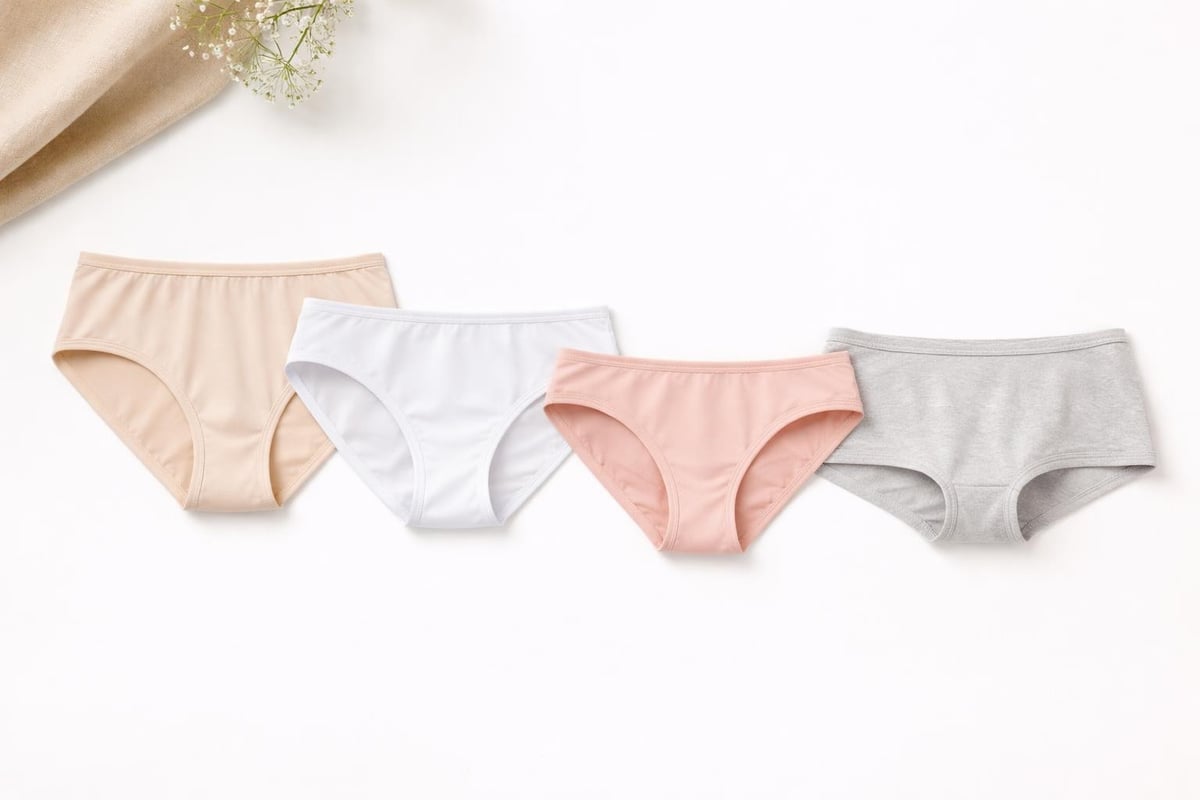
Traditional panties represent the classic underwear category that most women grew up wearing. These garments provide full or substantial rear coverage, extending from the waistband down to the leg openings with continuous fabric. Panties come in multiple subcategories including briefs, bikinis, hipsters, and boy shorts, each offering varying degrees of coverage and waistband height.
The defining characteristic of panties is their complete back coverage. This design element provides:
- Maximum fabric coverage across the buttocks
- Comfortable support throughout the day
- Moisture-wicking capabilities across larger surface areas
- Traditional styling that many find reassuring
Most panty styles feature elastic leg openings and waistbands that sit at different heights on the torso. Full briefs typically rise to the natural waistline, while hipsters rest lower on the hips. According to ThirdLove's comprehensive guide to women's underwear styles, the variety within the panty category allows women to match their underwear to specific outfit requirements.
Coverage and Comfort Characteristics
Panties excel in situations requiring maximum coverage and support. The extended fabric distribution creates a foundation that many women prefer for everyday activities. This design particularly benefits those who:
- Prioritize modesty and traditional styling
- Require extra support during physical activities
- Experience sensitivity to minimal-coverage designs
- Prefer underwear that stays in place without adjustment
The fabric-to-skin ratio in panties significantly exceeds that of thongs, providing more substantial contact across the hips and buttocks. This can offer advantages in temperature regulation, though it may also create visible panty lines under form-fitting clothing.
Thong Design and Structure
Thongs represent a minimal-coverage approach to underwear design. The difference between panty and thong becomes immediately apparent when examining the back construction. A thong features a narrow strip of fabric that runs between the buttocks, connecting the front panel to a small waistband piece.
This distinctive design emerged as a solution to visible panty lines, and it has evolved into various subcategories:
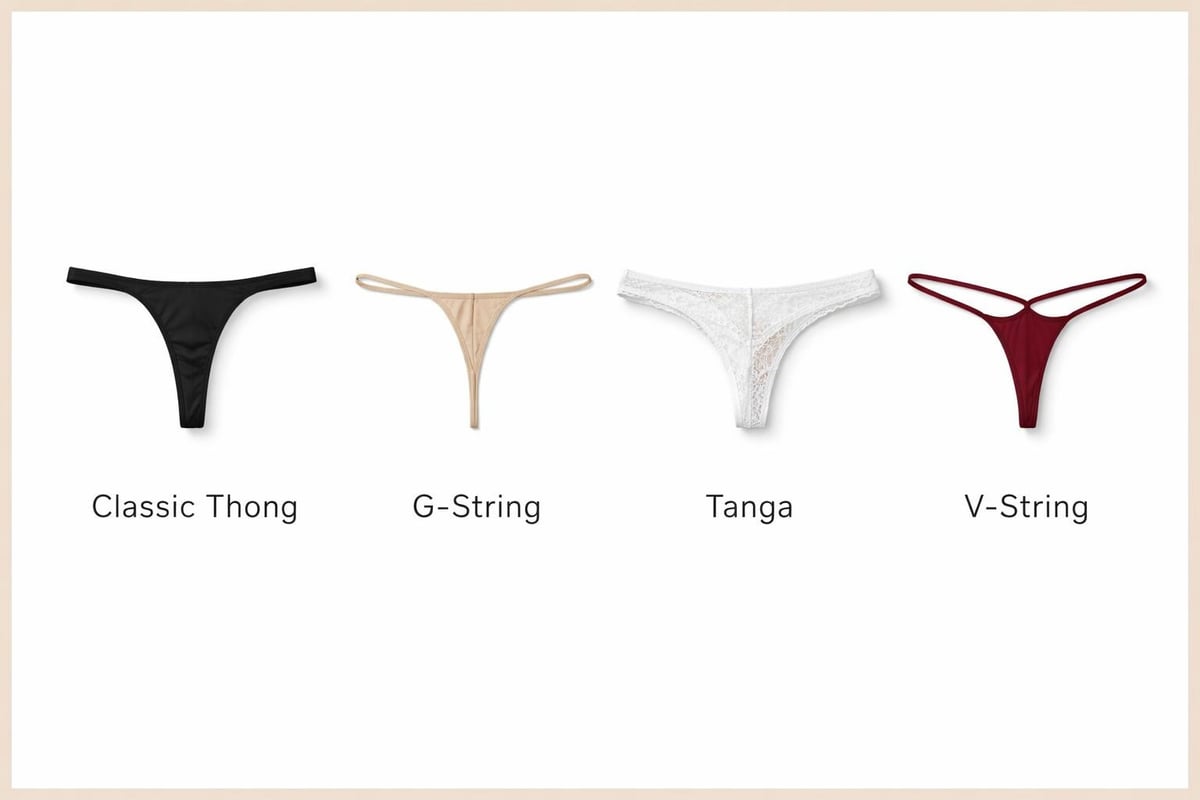
| Thong Type | Back Coverage | Best For |
|---|---|---|
| Classic Thong | Narrow strip (1-2 inches) | Daily wear, fitted pants |
| G-String | String-thin back | Special occasions, eliminating all lines |
| Tanga | Slightly wider strip | Transition from panties |
| V-String | V-shaped minimal back | Athletic wear, swimwear |
The Ambar Wear invisible camel toe thong exemplifies modern thong engineering, combining minimal coverage with strategic design features that address common concerns like camel toe and comfort.
The No-Panty-Line Advantage
The primary functional benefit of thongs centers on their ability to eliminate visible underwear lines. When wearing yoga pants, fitted dresses, or professional slacks, the minimal back coverage ensures no fabric bunching or outline shows through outer garments.
This invisibility factor has made thongs increasingly popular for:
- Form-fitting activewear and leggings
- Professional attire requiring smooth silhouettes
- Special occasion dresses and gowns
- Any outfit where visible lines would detract from appearance
HauteFlair's guide to women's underwear styles and fit emphasizes that proper thong sizing prevents the discomfort some women initially experience when transitioning from traditional panties.
Comfort Comparison and Adjustment Period
The difference between panty and thong comfort levels varies dramatically based on individual body types and adaptation. Many women report that thongs feel uncomfortable initially but become their preferred style after an adjustment period of several days to weeks.
Initial Comfort Factors
Traditional panties typically win the immediate comfort contest for first-time wearers. The familiar full coverage feels secure and substantial. However, this same coverage can create issues:
- Fabric bunching in the back
- Wedging during movement
- Excess fabric under tight clothing
- Potential for panty lines to show
Thongs eliminate these bunching problems through their minimal design, but introduce different comfort considerations. The narrow back strip requires your body to adjust to reduced fabric contact. Quality construction makes enormous difference in thong comfort levels.
Long-Term Wearability
After the adjustment period, many women report that well-made thongs actually provide superior all-day comfort. The seamless camel toe thong from Ambar Wear demonstrates how advanced fabric technology and thoughtful design create thongs that feel virtually unnoticeable during wear.
Consider these factors for extended comfort:
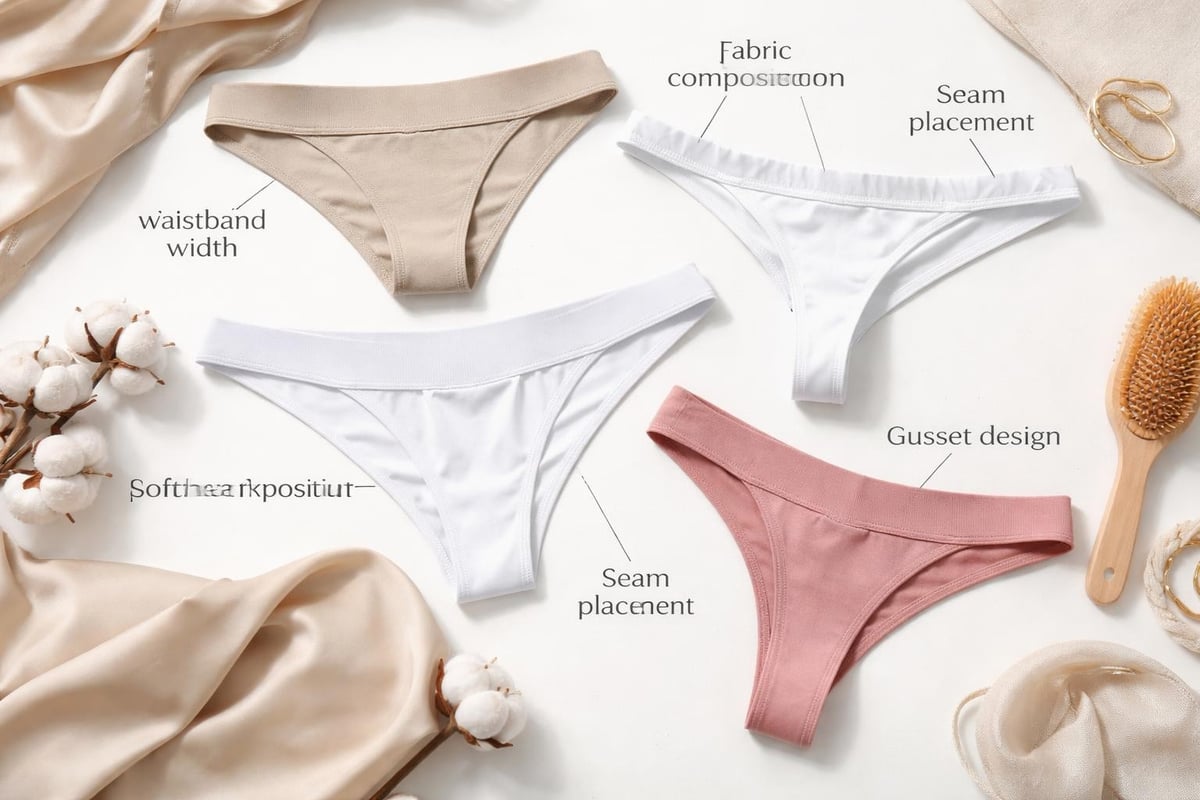
- Fabric composition: Breathable materials like modal, cotton blends, and ice silk prevent irritation
- Seamless construction: Eliminates pressure points and chafing
- Proper sizing: Too tight causes discomfort; too loose causes shifting
- Waistband design: Wide, soft elastic distributes pressure evenly
The Boux Avenue guide to thongs provides detailed insights into selecting thongs that maximize comfort while maintaining their line-free benefits.
Health and Hygiene Considerations
Medical professionals often weigh in on the difference between panty and thong when discussing intimate health. Both styles can be worn safely when proper hygiene practices and quality materials are prioritized.
Breathability and Moisture Management
Traditional panties offer more fabric coverage, which can provide better moisture absorption across larger areas. However, this same coverage can trap heat and moisture if made from non-breathable synthetic materials.
Modern thong designs counter their reduced fabric with strategic engineering:
- Cotton or bamboo gussets for breathability
- Moisture-wicking technical fabrics
- Antimicrobial treatments
- Quick-drying materials for active lifestyles
The key to maintaining health with either style involves choosing quality undergarments made from appropriate materials. The tummy control camel toe proof thong incorporates breathable panels while providing smoothing benefits.
Medical Perspectives
Healthcare providers generally agree that both panties and thongs can be worn safely when women follow these guidelines:
- Change underwear daily
- Select breathable natural or technical fabrics
- Choose the correct size (not too tight)
- Remove sweaty underwear promptly after exercise
- Opt for cotton or cotton-blend gussets
Some gynecologists recommend alternating between panties and thongs to allow variety in coverage and pressure distribution. The Shapermint overview of women's underwear types discusses health considerations across different underwear categories.
Outfit Pairing and Practicality
The difference between panty and thong becomes most apparent when selecting underwear for specific outfits. Each style serves distinct wardrobe needs, and most women benefit from maintaining both options.
When to Choose Panties
Traditional panties work best with:
- Loose-fitting jeans and casual pants
- Flowy dresses and skirts
- Layered outfits where lines aren't visible
- Athletic activities requiring maximum coverage
- Loungewear and sleepwear
Boy shorts and hipsters particularly suit athletic activities, providing coverage without bulk. Full briefs offer maximum support for high-impact workouts or extended wear situations.
When Thongs Shine
Thongs become the superior choice for:
- Fitted pants, leggings, and yoga wear
- Bodycon dresses and pencil skirts
- Professional attire requiring polished appearance
- Special occasion formal wear
- Any garment in thin or clingy fabrics
The versatility of Ambar Wear's collection of seamless thongs addresses multiple outfit needs while incorporating features that prevent common issues like camel toe and visible lines.
Style Variations Within Categories
Both panties and thongs encompass numerous subcategories, each addressing specific needs and preferences. Understanding these variations helps you make informed decisions.
Panty Subcategories
| Style | Rise | Coverage | Best For |
|---|---|---|---|
| Full Brief | High | Maximum | Daily comfort, maximum support |
| Bikini | Mid | Moderate | Versatile everyday wear |
| Hipster | Low-mid | Good | Casual outfits, lower-rise pants |
| Boy Short | Low-mid | Full | Athletic activities, preventing chafing |
| High-Waist | High | Maximum | Tummy control, vintage styling |
Thong Variations
The thong category also offers diversity beyond the basic design. According to Olivia Paisley's exploration of tanga versus thong differences, subtle design modifications create substantially different wearing experiences.
Popular thong variations include:
- Classic thong with moderate back strip
- G-string with minimal string back
- Tanga with wider, triangular back panel
- V-string with V-shaped minimal coverage
- High-rise thong for additional tummy coverage
Material and Construction Quality
The difference between panty and thong extends beyond shape into fabric technology and construction methods. In 2026, underwear engineering has advanced significantly, making both styles more comfortable and functional than ever.
Fabric Technologies
Modern underwear incorporates sophisticated materials:
- Seamless microfiber: Creates smooth surfaces that disappear under clothing
- Ice silk blends: Provides cooling properties for all-day freshness
- Moisture-wicking synthetics: Pulls sweat away from skin during activity
- Bamboo and modal: Offers sustainable, breathable natural alternatives
- Four-way stretch: Moves with your body without losing shape
The seamless ice silk thong from Ambar Wear demonstrates how premium materials transform the thong-wearing experience, making extended wear comfortable even during active days.
Construction Methods
Seamless construction has revolutionized both panty and thong categories. Traditional sewn seams created pressure points, chafing, and visible lines. Modern seamless techniques bond fabric layers without traditional stitching, resulting in:
- No visible edges or ridges
- Reduced irritation and chafing
- Better conformity to body curves
- Enhanced durability without weak seam points
Quality construction also addresses specific problem areas. Strategic panel placement prevents camel toe, a concern that ThirdLove's style guide identifies as important when choosing between different underwear types.
Body Type Considerations
The difference between panty and thong affects various body types differently. Neither style is universally superior; instead, individual body characteristics should guide selection.
Curvier Figures
Women with curvier builds often find that:
- Thongs can be more comfortable because they don't ride up or bunch
- Boy shorts and full briefs provide more coverage and support
- High-rise styles in both categories offer tummy smoothing
- Proper sizing matters even more to prevent discomfort
The invisible camel toe panties mid-rise option provides an alternative for those who prefer more coverage while still addressing common fit issues.
Athletic Builds
Athletic or straight-figured women might experience:
- Less difference in comfort between styles
- Greater flexibility in choosing based on outfit needs
- Potential for panties to gap at the waist
- Thongs that provide sufficient coverage without excess fabric
Personal Preferences Matter Most
Ultimately, the difference between panty and thong comes down to individual comfort and confidence. What works perfectly for one woman may feel completely wrong for another, regardless of body type.
Price and Value Comparison
Understanding the economic difference between panty and thong purchases helps budget your underwear wardrobe effectively. Both categories span wide price ranges based on brand, materials, and construction quality.
Cost Factors
Generally, thongs and panties at comparable quality levels carry similar price points. However, several factors influence value:
- Material composition: Natural fibers and advanced technical fabrics cost more
- Construction method: Seamless designs typically command premium prices
- Brand positioning: Designer labels versus functional basics
- Special features: Camel toe prevention, tummy control, or moisture-wicking
Multi-pack purchases offer substantial savings in both categories. The five-pack seamless ice silk thong set demonstrates how bulk purchasing reduces per-item cost while ensuring you always have fresh, quality options.
Investment in Quality
Cheap underwear often costs more long-term due to:
- Faster deterioration requiring frequent replacement
- Discomfort leading to mid-day changes
- Visible lines or fit issues affecting outfit appearance
- Potential health concerns from poor-quality materials
Investing in well-constructed pieces from reputable brands pays dividends through extended wear life and consistent comfort.
Making Your Selection
Choosing between panties and thongs doesn't require an either-or decision. Most women benefit from maintaining both styles for different situations. Consider building a versatile underwear wardrobe that includes:
- Everyday thongs for regular wear with most outfits
- Seamless panties for maximum coverage days
- Athletic styles in both categories for workout variety
- Special occasion options when comfort or appearance needs change
The difference between panty and thong ultimately serves different purposes in a complete lingerie collection. Rather than viewing them as competing options, recognize how each style complements your overall wardrobe needs.
Start by assessing your typical outfits. If you frequently wear fitted pants, dresses, or activewear, thongs should dominate your underwear drawer. If you prefer looser clothing or prioritize maximum coverage, panties might comprise the majority of your collection.
Experiment with different styles within each category. The Ambar Wear blog offers additional guidance on selecting underwear that addresses specific concerns while maintaining comfort and confidence throughout your day.
Understanding the difference between panty and thong empowers you to make informed decisions that enhance your comfort, confidence, and wardrobe versatility. Both styles offer distinct advantages depending on your outfit, activity level, and personal preferences. Ambar Wear specializes in seamless, comfortable undergarments designed to eliminate common concerns like camel toe, visible lines, and all-day discomfort, offering premium thongs and panties engineered for the modern woman's active lifestyle. Explore their collection to discover how thoughtfully designed underwear can transform your daily experience from the inside out.