

Imagine a future where slipping into your underwear feels like stepping into a new era of comfort, style, and confidence.
In 2026, the design of underwear is no longer an afterthought but a dynamic blend of technology, sustainability, and fresh consumer demands.
Get ready to explore innovative materials, smart features, and inclusive sizing that redefine what underwear can be. This essential guide will show you how next-level comfort and cutting-edge solutions are changing the way we think about the design of underwear, so you can stay ahead of the curve.
The Evolution of Underwear Design: Trends Leading to 2026
The design of underwear has never been more dynamic than it is today. As we approach 2026, this essential garment is being influenced by evolving cultural values, technological leaps, and a renewed focus on personal comfort.
Historical Overview and Recent Shifts
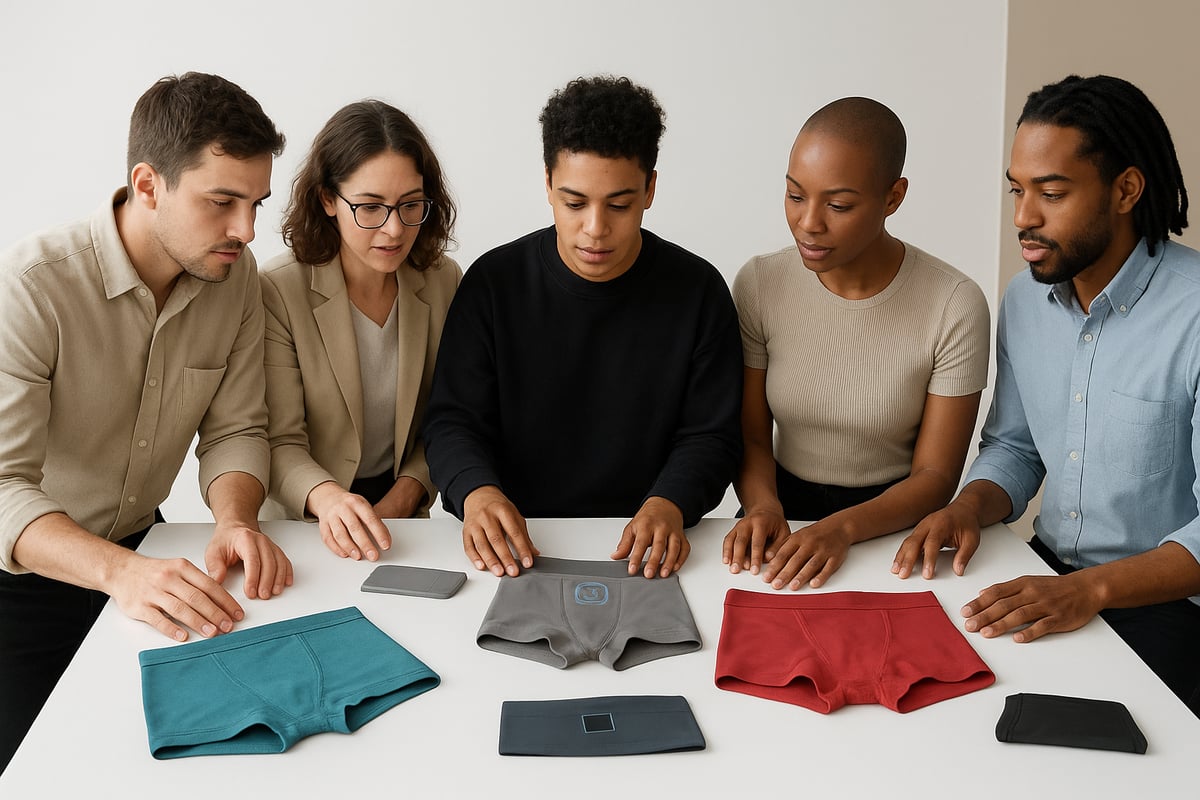
Looking back at the early 2000s, the design of underwear was mostly about function and basic aesthetics. Styles were limited, and sizing often excluded many body types. The 2010s and 2020s brought the athleisure wave, blurring lines between underwear and activewear.
Body positivity campaigns encouraged brands to expand their offerings. The rise of gender-neutral and inclusive underwear made headlines, allowing everyone to find their fit. According to a 2024 market report, seamless underwear saw an 18 percent year-over-year growth, reflecting a major shift toward comfort and invisibility.
Today, the design of underwear is shaped by inclusivity, innovation, and the desire for a flawless fit.
Key Consumer Demands Shaping the Future
Modern consumers want more from the design of underwear than ever before. Comfort is non-negotiable, and invisibility under clothing is a top priority. People are seeking pieces that are sweat-proof, anti-chafing, and offer odor control.
There is a noticeable increase in online searches for “no panty line underwear” and “anti-camel toe panties.” This surge highlights how consumers are driving brands to develop solutions for everyday frustrations. Versatility also matters, as many want underwear that can keep up with active lifestyles.
Features that address these demands are now central to the design of underwear.
Technology’s Role in Design Evolution
Technology is revolutionizing the design of underwear through advanced manufacturing techniques. Seamless construction, 3D knitting, and precision laser-cutting are now industry standards. These methods create smoother, more comfortable garments.
Smart textiles are another game-changer. Moisture-wicking, antimicrobial, and temperature-regulating fabrics are being widely adopted. Many brands have begun using recycled polyester and bio-based fibers, combining performance with sustainability.
As these innovations become mainstream, the design of underwear is more adaptable and functional than ever before.
Market Leaders and Disruptors
Established brands are leading the way with innovations like seamless thongs and sculpting bras. Their approach to the design of underwear focuses on combining support with comfort and style. Startups are also making waves, catering to niche needs such as anti-camel toe solutions, plus-size ranges, and adaptive designs for people with disabilities.
Consumer feedback is overwhelmingly positive. In 2025, seamless underwear products received an average rating of 4.8 out of 5. These reviews underscore how well the latest advancements in the design of underwear are resonating with wearers.
This competitive environment is pushing all players to raise the bar.
Forecast: What’s Next?
Looking ahead, experts predict the design of underwear will embrace AI-driven personalization and smart fit algorithms. Modular concepts will let users mix and match features for their ideal fit. Industry forecasts suggest that by 2026, 25 percent of underwear sales will be “smart,” with integrated sensors and connected features.
The blending of fashion and function will become the norm, making comfort and technology inseparable. For a deeper dive into what’s on the horizon, check out Underwear Trends 2026: The Rise of Functional Comfort & Style, which details the innovations shaping the future of the design of underwear.
The next era promises versatility, personalization, and advanced solutions that redefine what underwear can be.
Materials & Fabric Innovations for 2026 Underwear
The design of underwear in 2026 is defined by remarkable leaps in fabric technology, sustainability, and user-centered features. Material innovation is at the core of this transformation, creating products that are not only functional but also eco-conscious and stylish. Let’s explore the latest advancements setting new standards for the design of underwear.
High-Performance and Sustainable Fabrics
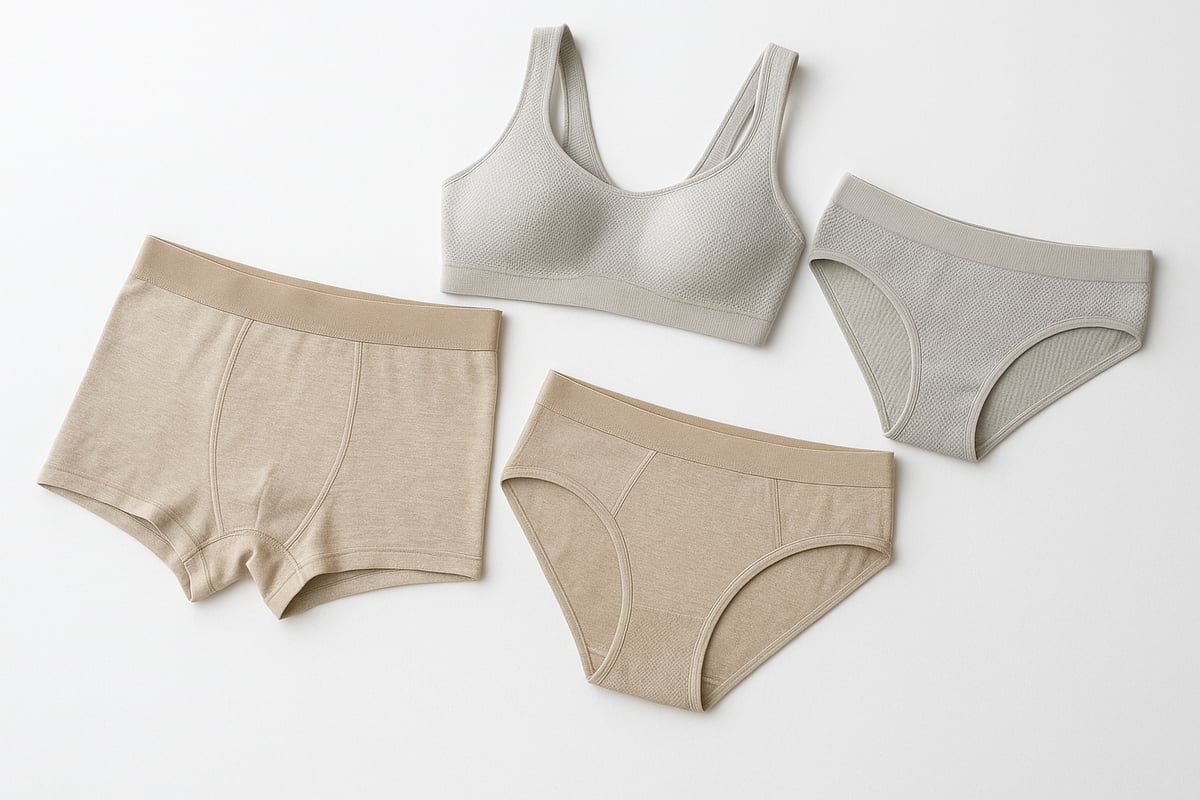
Sustainability is now a driving force in the design of underwear. Brands are embracing organic cotton, bamboo, and recycled synthetics to minimize environmental impact. In fact, a 2025 survey reveals that 62% of consumers prefer sustainable underwear, reflecting a shift in priorities. Biodegradable and compostable options are gaining traction, offering solutions for eco-conscious shoppers.
Some innovative labels are even launching take-back programs to support circularity. For a deeper dive into how modern brands are balancing performance and eco-friendliness, check out Sustainable and Modern Undies.
Comfort, Breathability, and Skin Health
Comfort is essential in the design of underwear, with moisture-wicking and hypoallergenic fabrics taking center stage. Materials like ice silk, modal, and Tencel are trending for their breathability and softness. Seamless construction helps reduce irritation, while medical studies increasingly link fabric choice to improved skin health.
Many brands now prioritize materials that keep skin cool and dry, especially for active lifestyles or sensitive skin. This focus on well-being is a hallmark of the evolving design of underwear for the modern consumer.
Smart Textiles: The Next Frontier
The design of underwear is rapidly advancing with the integration of smart textiles. Sensors embedded in fabric can now monitor temperature and moisture, providing real-time feedback for wearers. Antimicrobial and odor-neutralizing treatments help maintain freshness throughout the day.
Smart bras are leading the way, offering biometric tracking for health and activity insights. These innovations are not only practical but also set a new benchmark for high-tech comfort in the design of underwear.
Durability and Longevity
Longevity is a non-negotiable aspect of the design of underwear in 2026. Advances in fiber strength mean that underwear can withstand frequent washing without losing shape or comfort. Many brands now offer warranties or satisfaction guarantees, showing their confidence in product durability.
Consumers are demanding more from their underwear, expecting it to last longer and perform better. This trend is influencing every stage of the design of underwear, from fiber selection to final construction.
Aesthetic Innovations: Texture, Color, and Print
Aesthetics are just as important as function in the design of underwear. Digital printing allows for custom patterns and personalization, making each piece unique. Bold colors and minimalist designs are trending, while invisible seams guarantee a sleek look under any outfit.
Runway shows in 2026 are spotlighting tech-inspired prints and creative textures, proving that the design of underwear can be both innovative and expressive. These advancements ensure that style never comes at the expense of comfort or performance.
Ergonomics, Fit, and Body Inclusivity in Modern Underwear Design
Underwear is no longer a one-size-fits-all category. In 2026, the design of underwear is all about comfort, inclusivity, and adapting to every unique body. Brands are reimagining fit and ergonomics to serve a diverse global audience, ensuring every detail supports confidence and well-being.
Embracing Body Diversity
The design of underwear in 2026 celebrates every body. Brands now offer inclusive sizing, ranging from XS to 5XL, to ensure everyone finds their ideal fit. Customizable waistbands and leg openings are becoming standard, allowing individuals to adjust their underwear to suit their shape and comfort preferences.
Sales data reflects this shift. There has been a 40 percent increase in plus-size underwear purchases by 2025, showing that consumers want products tailored to their needs. The design of underwear now prioritizes curves, comfort, and flexibility, so everyone can feel their best under any outfit.
Gender-Neutral and Adaptive Designs
Inclusivity is also driving innovation in gender-neutral and adaptive underwear. The design of underwear now features unisex patterns and flexible fits that accommodate all gender expressions. This makes it easier for anyone to find comfortable options without having to choose from limited, gendered selections.
Adaptive underwear is also gaining ground. Features like magnetic closures and easy-on designs help people with disabilities dress independently. These thoughtful updates in the design of underwear show that comfort and dignity belong to everyone, no matter their needs.
3D Body Scanning and Personalized Fit
Personalization is at the heart of the design of underwear in 2026. Retailers are using 3D body scanning to create custom sizing profiles, making it easy to find underwear that truly fits. Mobile apps powered by AI recommend the perfect size and style based on your unique shape.
A recent case study found that brands using this technology saw a 30 percent drop in returns. Consumers are happier with their purchases, and the design of underwear is now more tailored than ever. This tech-driven approach is setting a new standard for comfort and satisfaction.
Seamless Construction and Comfort Engineering
The design of underwear is evolving with seamless construction, laser-cut edges, and bonded seams. These methods eliminate chafing, rolling, and discomfort, creating an invisible feel under clothing. Tagless labels and anti-slip features add to the comfort, making underwear feel like a second skin.
For a deeper dive into these innovations, check out Seamless Underwear Design Trends, which explores how seamless design is shaping the next generation of underwear. Comfort engineering is now a must-have, not just a luxury, within the design of underwear.
Ambar Wear: Redefining Comfort and Confidence
Ambar Wear is leading the charge in the design of underwear for modern women. Their seamless, anti-camel-toe technology solves common problems like panty lines and discomfort, while delivering a sculpted, invisible look under any outfit.
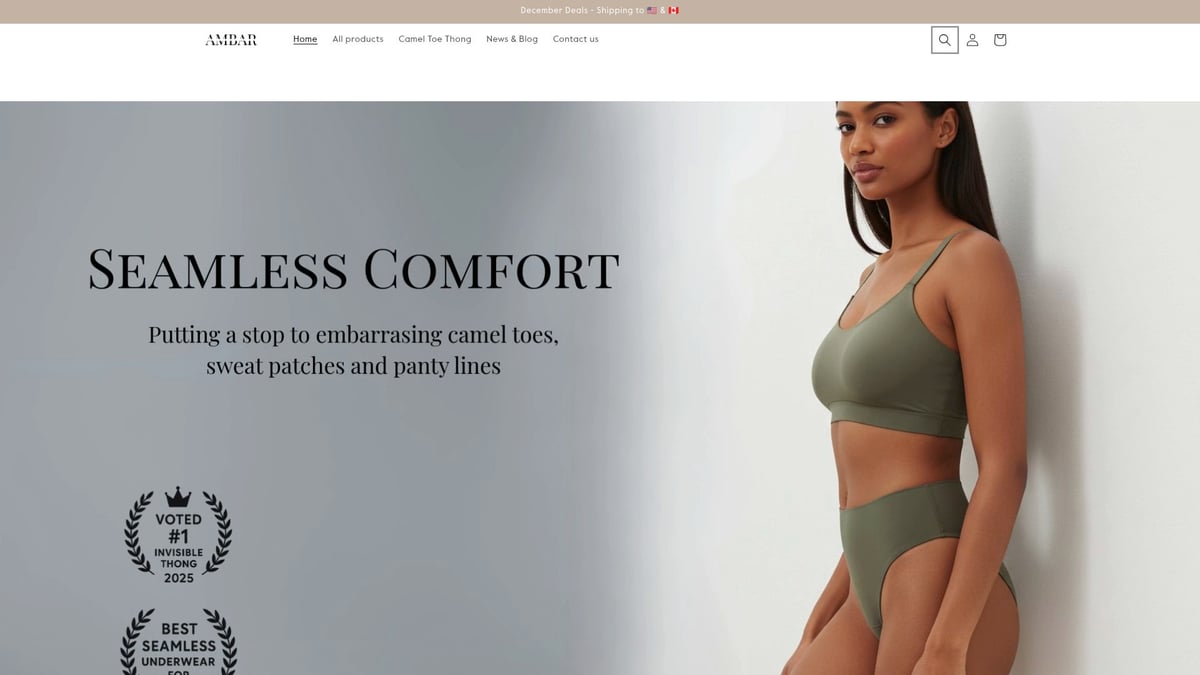
Products are made for all body types, boosting confidence and support. With a 4.9 out of 5 rating on Trustpilot and over 1,300 reviews, Ambar Wear’s design of underwear is celebrated for its comfort-first approach. Featured in major media, their focus on versatility and innovation sets a new benchmark for underwear in 2026.
Smart Features and Functional Design Elements
The design of underwear in 2026 is all about blending innovation with everyday practicality. Smart features are transforming the way people experience their most essential garments. Let’s explore how the latest technologies and thoughtful design choices are shaping the future of comfort and performance.
Moisture Management and Odor Control
Advanced moisture management is a cornerstone of the design of underwear in 2026. Brands now incorporate high-tech fabrics that wick away sweat and dry quickly, keeping wearers comfortable throughout the day.
Antimicrobial treatments are also standard, helping to reduce odor even during intense activity or long hours. For example, many new collections use silver-infused fibers or plant-based antimicrobial finishes, ensuring freshness and hygiene.
- Moisture-wicking materials
- Quick-dry technology
- Odor-neutralizing treatments
These smart features make underwear suitable for busy, active lifestyles, supporting confidence and comfort.
Anti-Chafing, Anti-Camel Toe, and No-Show Technologies
The design of underwear now prioritizes solutions for common pain points like chafing, camel toe, and visible panty lines. Seamless construction, strategic padding, and special paneling help prevent irritation and discomfort.
Laser-cut edges and ultra-flat seams ensure invisibility under even the tightest clothing. In fact, 50 percent of women now consider “no-show” qualities a top priority. For a deeper dive into how these features are engineered, check out Designing Underwear for No Panty Lines.
- Seamless and bonded designs
- Soft, anti-chafe fabrics
- Targeted anti-camel toe panels
These innovations ensure the design of underwear supports both confidence and a flawless look.
Support, Sculpting, and Tummy Control
Modern design of underwear delivers more than just coverage—it offers sculpting and support where it matters most. Shaping panels and reinforced waistbands provide gentle tummy control, while engineered stretch ensures a smooth, flattering fit.
Sales of sculpting underwear rose 22 percent in 2025, showing growing demand for these supportive features. Whether it’s a thong or a full brief, today’s options combine comfort with a sleek silhouette.
- Built-in shaping zones
- High-stretch, sculpting fabrics
- Wide, non-rolling waistbands
This focus on support helps every body type feel secure and confident.
Smart Wearables and Health Monitoring
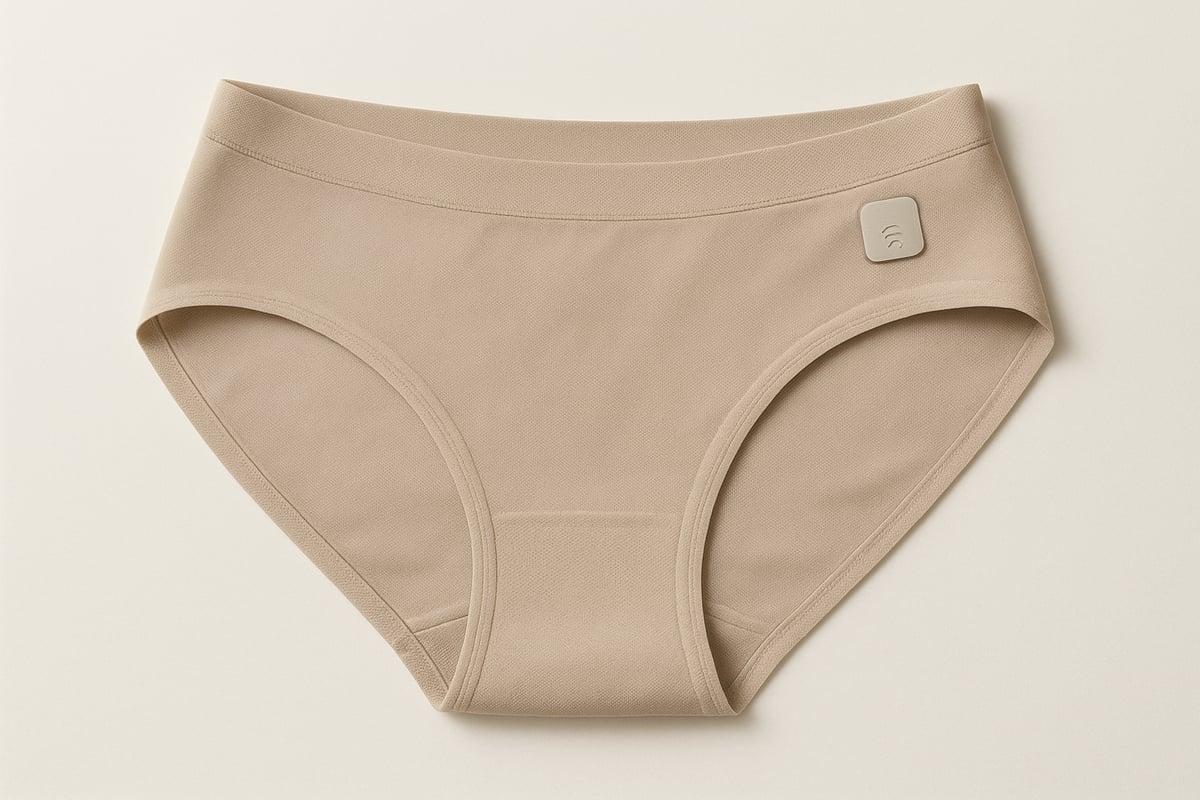
The design of underwear is entering the era of smart wearables. New products feature discreet sensors that can track temperature, hydration, menstrual cycles, and even posture. Bluetooth-enabled bras and panties connect to mobile apps, delivering real-time feedback and wellness insights.
Industry forecasts predict the smart underwear segment will hit 2.3 billion dollars by 2026, reflecting growing interest in tech-enhanced garments.
- Embedded biometric sensors
- App integration for health tracking
- Comfortable, washable electronics
These advances turn underwear into a personal health companion, redefining what intimate apparel can do.
Versatility for Active Lifestyles
Versatility is a defining quality in the design of underwear for 2026. People want pieces that seamlessly transition from work to workout, from lounging to high-impact activities. Multi-use thongs, bras, and sets are engineered for flexibility, with quick-dry and anti-odor features built in.
Hybrid activewear and underwear lines are especially popular, offering the best of both worlds. The result is a wardrobe staple that adapts to whatever the day brings.
- Multi-functional designs
- Soft yet supportive fabrics
- Easy-care, durable construction
Through these innovations, the design of underwear empowers individuals to move freely and confidently, no matter their routine.
Sustainability and Ethical Production in Underwear Design
The design of underwear in 2026 is inseparable from the push for sustainability and ethical production. Consumers expect more than comfort; they want products that reflect their values and support the planet. Brands are responding with bold steps toward circularity, transparency, and responsible sourcing.
Eco-Friendly Materials and Circular Design
Underwear brands are embracing eco-friendly materials to transform the design of underwear. Organic cotton, bamboo, and recycled synthetics are now industry staples. Biodegradable and compostable options are making headlines as consumers demand products that leave a lighter footprint.
Circular design is gaining traction, with brands introducing take-back and recycling programs. Some even offer discounts for returned worn underwear, closing the loop on textile waste. For a deeper dive into these innovations, check out the Top 5 Lingerie Manufacturing Trends for 2026, which highlights how brands are reimagining the entire product lifecycle.
Ethical Manufacturing Practices
Ethics are at the heart of the design of underwear for the modern era. Today’s leading brands prioritize fair labor, safe working conditions, and transparent supply chains. Certifications like OEKO-TEX, GOTS, and Fair Trade are becoming standard, assuring buyers that their underwear is produced responsibly.
Surveys show that 70% of Gen Z consumers consider ethical practices before making a purchase. Shoppers are looking for brands that not only talk the talk but also walk the walk when it comes to treating workers fairly and protecting the environment.
Reducing Waste and Environmental Impact
Minimizing waste is a top priority in the design of underwear. Brands are cutting back on excess packaging, switching to minimalist materials, and investing in carbon offset programs. Digital patterning and low-waste cutting techniques help reduce fabric scraps.
Some 2026 brands have even achieved zero-waste certification, setting a new benchmark for the industry. These forward-thinking efforts are reshaping how underwear is made, from the first sketch to the final stitch.
Consumer Education and Brand Transparency
Transparency is a cornerstone of the design of underwear in 2026. Brands are providing clear labeling about materials and manufacturing methods. Interactive online platforms let consumers trace the origins of their products, building trust and accountability.
There is a growing demand for brands to publish environmental impact reports. As shoppers become more informed, they expect open communication and evidence of sustainable action. This shift is making ethical and sustainable design the new normal in the underwear market.
Step-by-Step Guide: Designing Underwear for 2026
Ready to bring your vision for the future of intimate apparel to life? This guide breaks down the essential steps in the design of underwear for 2026, helping you create pieces that align with tomorrow’s trends, technology, and consumer needs.
Step 1: Define Your Target Audience and Purpose
Every successful design of underwear starts with a deep understanding of your audience. Are you designing for active lifestyles, plus-size customers, or those seeking anti-camel toe solutions?
- Use surveys, social listening, and direct feedback to pinpoint pain points.
- Identify niche needs such as seamless comfort, inclusivity, or adaptive features.
- Dive into resources like Anti-Camel Toe Underwear Solutions to understand functional challenges in the market.
By focusing on your core customer’s needs, you lay the foundation for a design of underwear that stands out.
Step 2: Select Materials and Technologies
Choosing the right materials and technologies is crucial for the design of underwear that meets future standards. Opt for sustainable, high-performance fabrics like bamboo, modal, and recycled synthetics.
- Consider seamless construction and smart textiles for added comfort and durability.
- Explore the latest in moisture-wicking, antimicrobial, and temperature-regulating fibers.
- For insight into fabric trends, check out the Lingerie Trends Report 2026 to align your selections with consumer demand.
Sourcing innovative materials ensures your design of underwear is both functional and future-ready.
Step 3: Develop Patterns and Fit Solutions
A modern design of underwear relies on advanced pattern development and perfect fit. Leverage 3D body scanning and modeling to create inclusive patterns for all body types.
- Test multiple fits to maximize comfort and freedom of movement.
- Use ergonomic principles to prevent chafing, rolling, and discomfort.
- Incorporate features like adjustable waistbands or adaptive closures for versatility.
Prioritizing fit and comfort will make your design of underwear appealing across a wide range of consumers.
Step 4: Prototype, Test, and Iterate
Once your initial design of underwear is ready, move into prototyping and real-world testing. Produce samples and invite diverse users to provide feedback on comfort, durability, and aesthetics.
- Gather data on wear performance and potential improvements.
- Refine your design based on user experience and measurable results.
- Repeat this process until your underwear meets the highest standards of satisfaction.
Continuous iteration ensures your final design of underwear is truly ready for the market of 2026.