

Summer 2026 brings endless opportunities to embrace warm weather in comfortable, stylish shorts. Yet many women face an uncomfortable wardrobe challenge that can undermine confidence during outdoor activities, fitness routines, and casual outings. Understanding the causes and solutions for this common fit issue empowers you to enjoy your favorite warm-weather clothing without self-consciousness or constant adjustments.
Understanding Why This Common Fit Issue Occurs
Camel toe in shorts happens when fabric pulls tight against the body, creating visible definition between the labia majora. This phenomenon isn't about body shape or size but rather about the relationship between garment construction, fabric properties, and anatomical structure.
Several factors contribute to this wardrobe concern:
- Fabric tension: When material stretches too tightly across the pelvic area, it naturally conforms to body contours
- Seam placement: Center seams positioned directly along the vulvar area create pressure points that emphasize definition
- Size mismatch: Shorts that are too small pull fabric taut, while oversized garments can bunch and create similar issues
- Fabric composition: Materials lacking adequate structure or thickness may reveal more than intended
The anatomical causes of camel toe vary from person to person, including factors like pubic bone prominence, body composition, and natural anatomical variation. Understanding these biological realities helps normalize the experience and shift focus toward practical solutions.
Choosing the Right Shorts to Prevent Wardrobe Concerns
Selecting appropriate shorts begins with understanding construction details that make certain styles more problematic than others. Not all athletic or casual shorts are created equal when it comes to preventing uncomfortable fit issues.
Fabric Selection Matters
The material composition significantly impacts how shorts drape and conform to your body. Opt for fabrics with these characteristics:
| Fabric Type | Benefits | Considerations |
|---|---|---|
| Cotton blends | Breathable, less clingy | May lose shape over time |
| Moisture-wicking synthetics | Maintains structure, quick-dry | Can be overly form-fitting |
| Double-layered materials | Added coverage, better opacity | Warmer for intense workouts |
| Textured fabrics | Camouflages contours naturally | Limited color options |
Thicker, structured materials with a slight texture work better than thin, clingy fabrics. Research on how clothing affects visual perception confirms that fabric weight and drape significantly influence how garments reveal or conceal body contours.
Seam Construction and Placement
The seam design directly impacts whether camel toe in shorts becomes an issue. Look for these construction features:
- Gusset panels: Diamond-shaped fabric inserts at the crotch area distribute tension more evenly
- Flatlock seams: These sit flatter against skin compared to traditional raised seams
- Side seams only: Shorts without center front seams eliminate the primary pressure point
- Reinforced crotch areas: Extra fabric layers add dimension that reduces definition
Modern activewear brands increasingly incorporate these design elements, though quality varies significantly across price points.
Strategic Underwear Solutions
The foundation layer you choose plays a crucial role in preventing camel toe in shorts. Strategic underwear selection can transform problematic shorts into comfortable, confidence-boosting pieces.
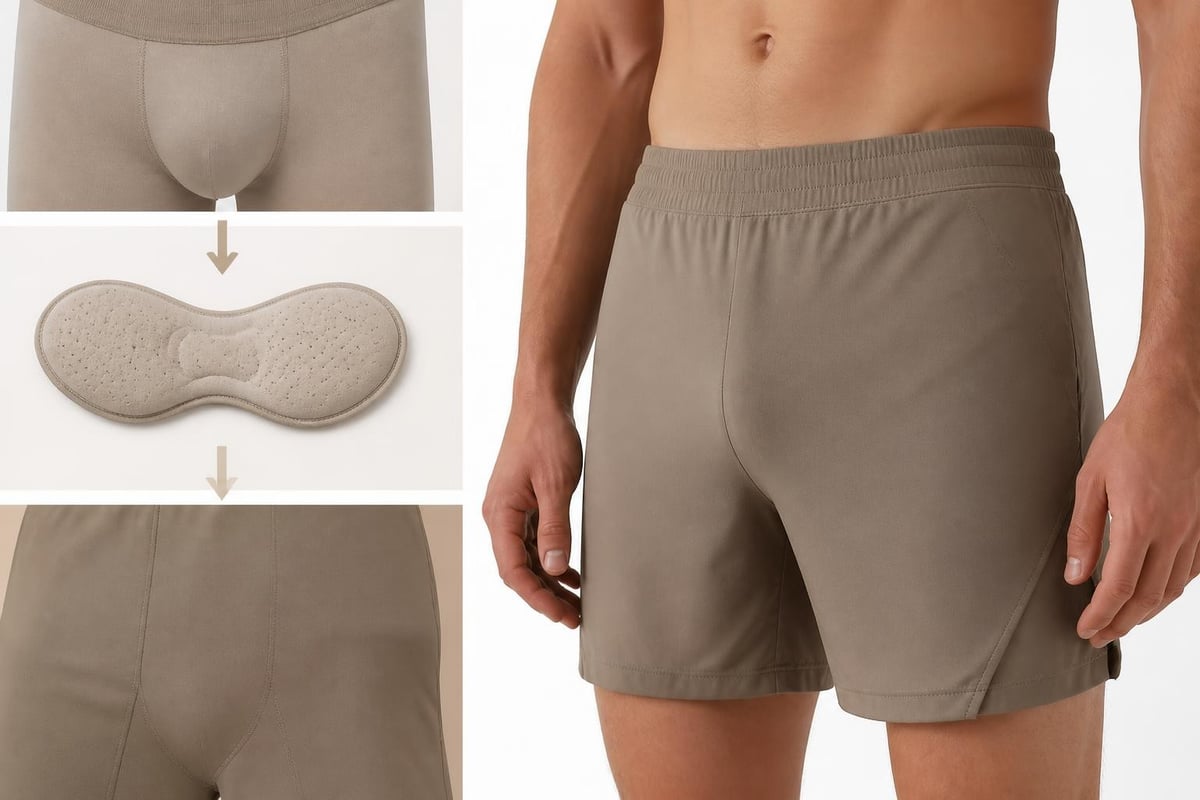
Seamless styles eliminate the added bulk and pressure that traditional underwear seams create. Specialized camel toe prevention thongs feature smooth construction and strategically placed padding that creates a barrier between fabric and body.
Key Underwear Features to Prioritize
Padded front panels provide the most effective prevention by adding a smooth, contoured layer that diffuses fabric tension. This design element works similarly to how padded bras shape and smooth the chest area.
Moisture-wicking properties keep you dry during workouts, which matters because wet fabric clings more aggressively than dry material. Look for technical fabrics that pull sweat away from skin.
Proper rise height affects how underwear sits in relation to shorts. Mid-rise to high-rise options typically work better than low-rise styles, which can create additional bunching.
Women seeking comprehensive solutions often turn to activewear collections designed specifically to address multiple fit concerns simultaneously, including sweat management and visible panty lines alongside camel toe prevention.
Size and Fit Optimization Strategies
Finding the correct size involves more than following standard size charts. Camel toe in shorts often results from subtle fit issues that measurements alone don't reveal.
The Goldilocks Principle of Shorts Fitting
Too tight creates obvious problems, but surprisingly, too loose can also contribute to the issue. When shorts are oversized, excess fabric gathers in the crotch area, creating bulk that eventually settles into visible lines.
The ideal fit allows approximately one inch of fabric to pinch between your fingers at the waistband without creating gaps. At the leg openings, shorts should sit comfortably against your thighs without cutting in or gaping open.
Rise measurement deserves special attention. Higher-rise shorts distribute fabric over a larger area, reducing concentrated tension in any single spot. Low-rise styles compress everything into a smaller zone, increasing pressure.
Brand-Specific Fit Variations
Different manufacturers use varying fit models, meaning your size isn't universal across brands. When shopping:
- Read customer reviews specifically mentioning fit issues
- Check return policies before purchasing
- Order multiple sizes when trying new brands
- Document which brands work consistently for your body
The comprehensive guide to preventing wardrobe malfunctions emphasizes that persistence in finding brands that match your unique proportions pays long-term dividends in comfort and confidence.
Immediate Fixes and Quick Solutions
Even with preventive strategies, situations arise requiring fast adjustments. Having reliable quick fixes in your arsenal ensures you can address camel toe in shorts discreetly when it appears.
Panty Liners as Emergency Tools
Adhesive panty liners serve double duty as both hygiene products and camel toe prevention devices. Place one vertically along your underwear's front panel to create instant padding and smoothing.
This solution works particularly well for:
- Last-minute wardrobe changes
- Travel situations with limited clothing options
- Testing whether shorts are worth keeping before removing tags
- Emergency fixes during events or activities
The Strategic Adjustment Technique
When you notice fabric settling into uncomfortable positions, resist the urge to tug it outward aggressively. Instead, perform a more subtle adjustment:
- Pull waistband slightly upward while standing
- Shift weight from side to side to redistribute fabric
- Smooth front panel downward with flat palm
- Check alignment discreetly in mirror or phone screen
Regular movement prevents fabric from settling into problem positions, which explains why camel toe in shorts appears more frequently during stationary activities than dynamic ones.
Activity-Specific Considerations
Different physical activities create varying challenges for preventing visible contours in shorts. Tailoring your approach to specific contexts improves outcomes significantly.
High-Impact Exercise and Athletic Activities
Running, jumping, and intense cardio create constant fabric movement and tension. For these activities:
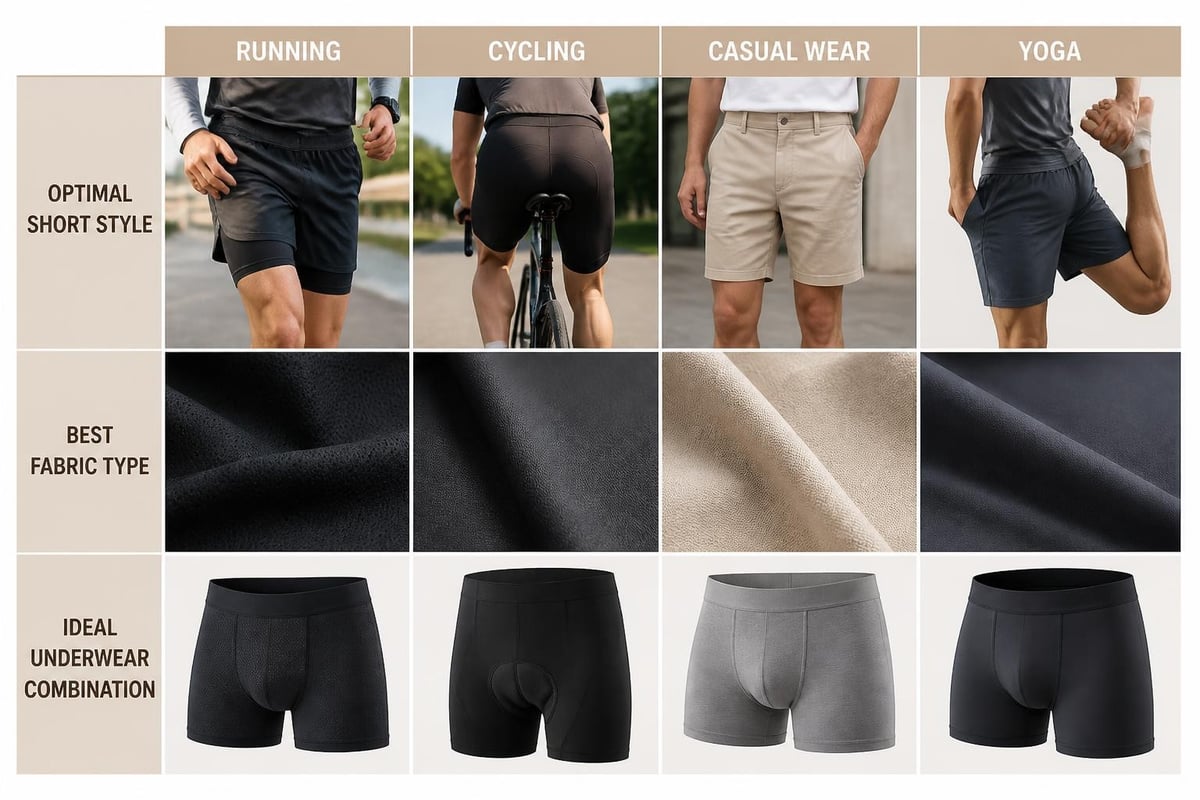
| Activity Type | Best Short Features | Underwear Recommendation |
|---|---|---|
| Running | Compression fit, moisture-wicking | High-rise seamless thongs |
| Cycling | Padded chamois, longer inseam | Specific cycling underwear or none |
| Dance fitness | Four-way stretch, gusseted crotch | Breathable performance thongs |
| Weightlifting | Squat-proof opacity, reinforced seams | Smoothing boy shorts or thongs |
Consider investing in specialized leggings for particularly challenging workouts, as these often provide superior construction compared to shorts.
Casual Wear and Daily Activities
Everyday shorts prioritize comfort over performance features, which can ironically make them more prone to fit issues. The design principles behind anti-camel toe garments apply equally to casual wear, emphasizing seamless construction and strategic fabric placement.
Denim and structured cotton shorts typically perform better than jersey or athletic materials for casual wear because their inherent stiffness resists conforming tightly to body contours.
Shopping Smart: What to Look for Before Buying
Preventing camel toe in shorts begins at the purchase point. Developing evaluation criteria helps you identify problematic garments before bringing them home.
In-Store Assessment Checklist
When trying shorts in fitting rooms, perform these specific tests:
- Squat test: Drop into a deep squat and check fabric behavior
- Sit test: Sit on the bench and observe how material redistributes
- Walk test: Take several steps and note any riding up or settling
- Mirror check: View from front, side, and if possible, back angles
- Movement test: Do light stretches to assess fabric recovery
Pay attention to immediate discomfort or adjustment needs. Shorts requiring constant repositioning in the fitting room will only worsen with extended wear.
Online Shopping Strategies
Purchasing shorts online demands extra diligence since you cannot physically test them. Maximize success rates by:
- Filtering reviews for body-type similarities to yours
- Searching review text for specific terms like "camel toe," "front seam," or "crotch area"
- Checking size chart measurements against your best-fitting current shorts
- Reviewing return policies and keeping original packaging until confirming fit
- Taking advantage of try-before-you-buy programs when available
The investment in quality underwear designed for prevention often proves more cost-effective than repeatedly purchasing and returning shorts that don't work with your current undergarments.
Understanding Cultural and Psychological Dimensions
Beyond practical solutions, acknowledging the broader context surrounding body image and clothing choices helps women navigate these concerns with greater self-compassion.
Cultural evolution of beauty standards reveals that anxieties about visible body contours reflect historically specific norms rather than universal truths. What one era considers inappropriate, another views as unremarkable.
Building Confidence Beyond Quick Fixes
While prevention strategies matter, developing resilience against others' judgments creates lasting freedom. Consider that:
- Most people notice your discomfort more than the actual issue
- Confidence in how you carry yourself attracts more attention than minor clothing concerns
- Everyone experiences wardrobe malfunctions; perfection isn't the standard
- Your comfort and activity participation matter more than achieving invisible contours
This balanced perspective doesn't minimize legitimate preferences for certain aesthetics but prevents those preferences from limiting your activities or causing excessive stress.
Maintenance and Long-Term Garment Care
How you care for shorts impacts their fit over time. Proper maintenance extends the life of garments that work well while helping you identify when replacement becomes necessary.
Washing and Drying Best Practices
Heat degrades elastic fibers that maintain shorts' shape and structure. Follow these guidelines:
- Wash in cold water with gentle detergent
- Air dry when possible, especially for technical fabrics
- If machine drying, use lowest heat setting
- Turn garments inside out to protect exterior finish
- Avoid fabric softeners that coat fibers and reduce moisture-wicking
Storage matters too. Folding shorts along natural seam lines prevents creasing that can create new pressure points. Avoid hanging lightweight shorts by waistbands, which stretches elastic over time.
When to Replace Rather Than Repair
Even well-maintained shorts eventually lose their effectiveness. Replace them when you notice:
- Fabric thinning or becoming transparent
- Elastic waistbands losing tension
- Seams puckering or pulling
- Colors fading significantly
- Increased camel toe in shorts that previously fit well
Rather than viewing replacement as wasteful, consider it maintenance of your wardrobe's functionality, similar to replacing worn athletic shoes.
Comprehensive Wardrobe Solutions
Addressing camel toe in shorts works best as part of a holistic approach to activewear and intimate apparel. Coordinating purchases across categories creates synergy that individual items cannot achieve alone.
Building a Functional Foundation
Start with underwear designed specifically for prevention, then build your shorts collection around those foundation pieces. Seamless thong collections pair effectively with various short styles because they eliminate the variables that traditional underwear introduces.
This approach reverses typical shopping patterns where underwear becomes an afterthought matched to existing clothing. When foundation garments prioritize function, outer layers require less specialized construction.
Multipurpose Pieces for Versatility
Investing in coordinated activewear sets ensures consistent performance across activities. These matched pieces account for how different garments interact during movement, addressing issues that single items cannot resolve.
Quality multipurpose clothing reduces the total number of pieces needed while improving overall wardrobe functionality-a sustainable approach that benefits both your budget and closet space.
Preventing camel toe in shorts combines smart shopping, strategic underwear choices, and proper garment care into a comprehensive approach that builds lasting confidence. Understanding the anatomical and mechanical factors behind this common fit issue empowers you to make informed decisions rather than feeling frustrated by trial and error. Ambar Wear specializes in seamless undergarments and activewear engineered specifically to eliminate camel toe, sweat patches, and panty lines, offering women foundation pieces that work harmoniously with any shorts style for truly worry-free wear.