

Active women in 2026 face a unique challenge when it comes to workout underwear: finding the perfect balance between minimal coverage, maximum comfort, and performance-enhancing features. The athletic thong has emerged as the solution for those who refuse to compromise during their fitness routines. Unlike traditional underwear that bunches, rides up, or creates visible lines under activewear, this specialized garment combines the coverage you need with the freedom of movement you demand. Whether you're lifting weights, running marathons, or flowing through yoga poses, understanding what makes an athletic thong different from regular underwear can transform your entire workout experience.
Understanding Athletic Thong Design Features
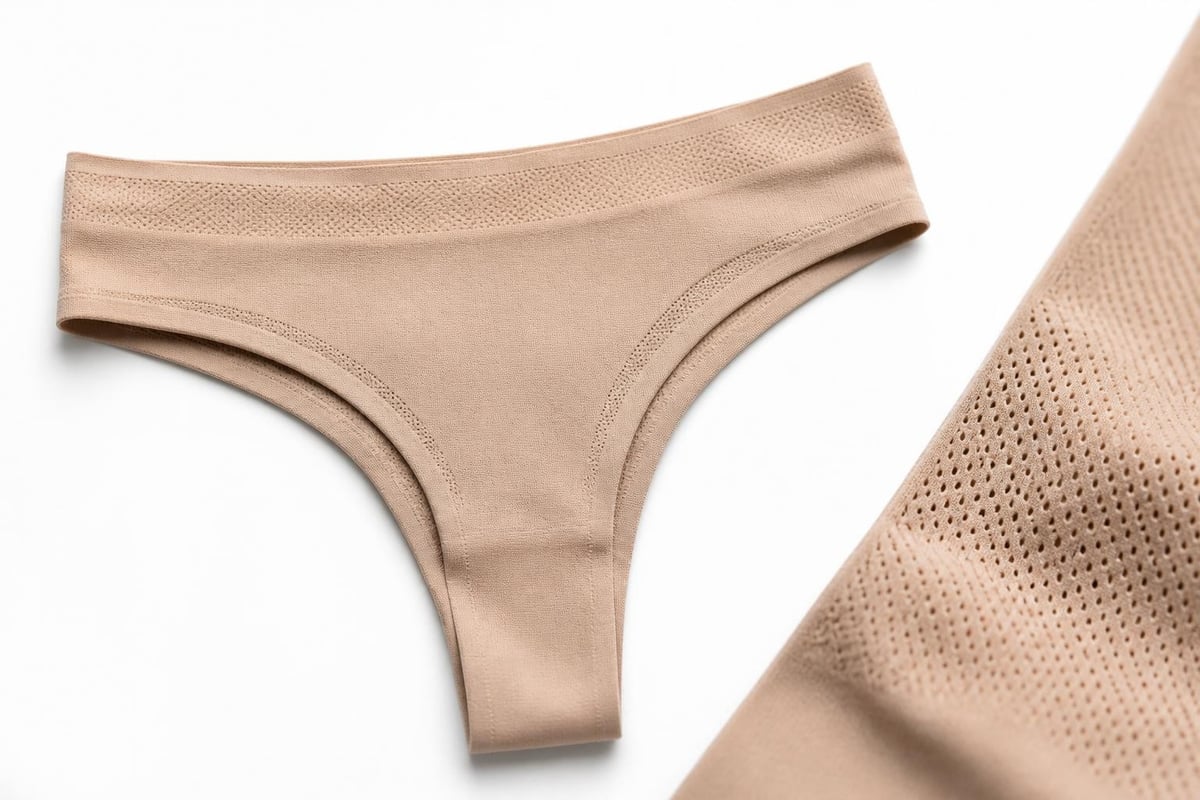
The construction of an athletic thong differs significantly from everyday underwear. These performance-oriented garments incorporate moisture-wicking fabrics that pull sweat away from your skin, keeping you dry during intense training sessions. The seamless construction eliminates chafing points that can cause irritation during repetitive movements.
Key design elements include:
- Flat-lock seams that lie smooth against skin
- Quick-dry synthetic blends or natural performance fibers
- Breathable mesh panels strategically placed for ventilation
- Tag-free designs to prevent scratching
- Four-way stretch materials that move with your body
The waistband receives special attention in athletic thong construction. Unlike traditional elastic bands that dig into skin or roll down during movement, performance waistbands use soft, wide elastic or bonded edges that distribute pressure evenly. This innovative approach to athletic thong underwear ensures the garment stays in place without creating uncomfortable pressure points.
Fabric Technology Matters
Modern athletic thongs utilize advanced textiles that outperform cotton in every measurable way. Microfiber blends, polyester-spandex combinations, and even premium natural fiber athletic underwear options deliver superior performance. These fabrics dry exponentially faster than cotton, reducing the risk of bacterial growth and post-workout discomfort.
| Fabric Type | Moisture Control | Durability | Stretch Factor |
|---|---|---|---|
| Microfiber | Excellent | High | 4-way |
| Polyester-Spandex | Superior | Very High | Multi-directional |
| Natural Performance Fibers | Very Good | Moderate | 2-way |
| Cotton Blend | Poor | Low | Minimal |
Temperature regulation represents another critical performance factor. The best athletic thong designs incorporate breathable zones that allow air circulation while maintaining coverage where you need it most.
Benefits Beyond Basic Coverage
Choosing an athletic thong over traditional underwear styles delivers tangible performance advantages. Visible panty lines (VPL) disappear entirely, allowing you to wear form-fitting leggings and workout pants with complete confidence. The minimal fabric reduces weight and bulk, creating an almost weightless feeling during movement.
Freedom of movement improves dramatically. Without excess fabric bunching in your hip and thigh area, your range of motion increases. This matters particularly for activities requiring deep squats, high kicks, or extensive stretching. Athletes report feeling less restricted and more connected to their body's natural movements.
Hygiene and Health Advantages
The athletic thong design promotes better air circulation compared to full-coverage underwear. This increased breathability creates an environment less conducive to bacterial and yeast overgrowth. For women prone to infections, switching to moisture-wicking athletic thongs often provides noticeable improvement.
Health benefits include:
- Reduced moisture accumulation
- Lower risk of bacterial infections
- Decreased friction-related irritation
- Better temperature regulation
- Faster post-workout recovery for sensitive skin
Post-workout transitions become easier too. Because athletic thongs dry quickly, you experience less dampness when running errands or returning to work after gym sessions. Understanding anti-camel toe panties technology helps explain why specialized athletic underwear performs better than repurposed everyday garments.
Choosing the Right Athletic Thong
Selecting your ideal athletic thong requires considering several factors beyond simple size. The rise height affects both comfort and coverage. Low-rise options sit below the hip bone, making them invisible under low-waist pants but providing minimal coverage. Mid-rise versions offer more coverage and stay secure during high-intensity movements. High-rise athletic thongs extend toward the natural waist, providing maximum coverage and compression benefits.
Your activity type influences the best choice. Running and high-impact activities benefit from athletic thongs with extra moisture-wicking capacity and secure waistbands. Yoga and Pilates practitioners often prefer softer, more flexible options without excessive compression. Weight training typically requires something in between, balancing security with comfort during various movement patterns.
Sizing Considerations
Athletic thongs should fit snugly without creating indentations in your skin. The waistband should stay in place without constant adjustment, yet you shouldn't feel restricted. Many women find they need a different size in athletic thongs compared to their regular underwear size.
| Body Type | Typical Fit Challenge | Solution |
|---|---|---|
| Petite | Waistband gaps | Look for low-rise or petite-specific cuts |
| Curvy | Leg band pressure | Choose styles with wider, softer bands |
| Athletic Build | Insufficient coverage | Opt for mid to high-rise designs |
| Plus Size | Rolling waistband | Select high-rise with reinforced bands |
The invisible camel toe thong addresses one of the most common concerns women face with form-fitting activewear. Specialized front panel construction prevents the fabric from creating an unflattering center seam, giving you complete confidence during any activity.
Care and Maintenance for Longevity
Proper care extends the life of your athletic thong collection significantly. These performance garments require different treatment than regular underwear to maintain their technical properties. Always wash athletic thongs in cold water, as hot water breaks down elastic fibers and degrades moisture-wicking treatments.
Avoid fabric softeners completely. These products coat fibers with chemicals that block moisture-wicking capabilities, essentially ruining the performance features you paid for. Instead, use sport-specific detergents designed to remove oils and bacteria without leaving residue.
Washing best practices:
- Turn garments inside out before washing
- Use mesh laundry bags to protect delicate fabrics
- Select gentle cycle with cold water
- Skip the dryer, air-dry instead
- Never use bleach or fabric softener
- Wash after every use to prevent bacterial buildup
Air drying preserves elastic integrity and prevents heat damage. Hang your athletic thongs in a well-ventilated area, avoiding direct sunlight which can fade colors and weaken fibers. Most performance fabrics dry within hours, so overnight drying easily accommodates daily workout schedules.
When to Replace
Even with proper care, athletic thongs don't last forever. Elastic degradation typically signals replacement time. If the waistband no longer springs back or the leg openings feel loose, the garment has lost its supportive properties. Visible thinning in fabric, especially in high-friction areas, indicates the material can no longer provide adequate coverage or performance.
Most women should replace their athletic thongs every six to twelve months with regular use. Rotating between multiple pairs extends individual garment life by reducing wear frequency. Investing in quality pieces, like those exploring anti-camel underwear technology, often provides better long-term value than frequently replacing cheaper alternatives.
Style Variations for Different Activities
Not all athletic thongs serve identical purposes. Manufacturers have developed specialized versions optimized for specific activities. Understanding these variations helps you build a functional rotation that supports your diverse fitness routine.
Running-specific athletic thongs emphasize lightweight construction and maximum breathability. These often feature mesh panels and ultra-thin waistbands that minimize bounce and friction during high-impact movement. The focus remains on reducing weight while providing secure coverage that won't shift during long-distance runs.
Yoga and Flexibility Training
Yoga practitioners benefit from athletic thongs with extra stretch and softer fabrics. These versions prioritize comfort during extended holds and deep stretches. The waistband typically sits higher to prevent exposure during inversions and forward folds. Seamless construction becomes especially important for floor-based practices where you'll feel every seam against your skin.
High-intensity interval training (HIIT) demands athletic thongs that handle rapid transitions between movement types. These hybrid designs combine the security of running thongs with the flexibility of yoga styles. Reinforced stitching at stress points prevents failure during explosive movements like burpees and box jumps.
| Activity Type | Priority Features | Recommended Rise |
|---|---|---|
| Running | Moisture-wicking, lightweight | Low to mid |
| Yoga | Stretch, seamless, soft | Mid to high |
| HIIT | Durability, security | Mid |
| Cycling | Flat seams, breathability | Low |
| Weight Training | Support, coverage | Mid to high |
Swimming and water sports require specialized athletic thongs made from chlorine-resistant or quick-dry materials. While traditional athletic thongs work underwater, dedicated swim versions maintain their shape and performance despite chemical exposure and constant moisture.
Addressing Common Concerns
Many women hesitate to try athletic thongs due to misconceptions or previous negative experiences with poorly designed versions. Modern performance underwear has evolved significantly, addressing traditional complaints through innovative construction and materials.
The discomfort concern tops most lists. Early athletic thongs often used scratchy materials and poorly placed seams. Today's versions feature buttery-soft fabrics and bonded edges that feel virtually unnoticeable. If you last tried an athletic thong five years ago, current options will surprise you with their improved comfort levels.
Fit and Security Issues
Worries about athletic thongs shifting or riding up during movement stem from wearing incorrect sizes or low-quality designs. Proper fit eliminates most security concerns. The garment should conform to your body's contours without stretching tight. When sized correctly, quality athletic thongs stay in place through marathon runs and intense CrossFit sessions.
Learning about no camel toe undies helps many women overcome their primary hesitation about minimal-coverage underwear. Advanced panel construction and strategic seaming eliminate the unflattering appearance that standard thongs sometimes create under tight activewear.
Common questions answered:
- Will I feel self-conscious? Most women report feeling more confident without visible panty lines
- Are they sanitary? Modern moisture-wicking fabrics actually improve hygiene compared to cotton
- Do they cause irritation? Quality seamless designs reduce friction below traditional underwear levels
- Can they handle heavy flow days? Pair with appropriate menstrual products or choose period-specific athletic underwear
- Will they show through my leggings? Seamless, tone-matching athletic thongs remain completely invisible
The rise of athlete thongs across different sports demonstrates their widespread acceptance among serious athletes who demand functional gear.
Building Your Athletic Thong Collection
Creating an effective rotation requires owning enough pairs to maintain fresh options between laundry cycles. Most active women need at least seven athletic thongs to support regular workout schedules without constant washing. This number allows daily fresh pairs during a typical week with one backup option.
Consider diversifying your collection across colors and styles. Nude tones disappear under light-colored leggings, while darker options work better under black and navy workout pants. Having both low-rise and mid-rise versions provides flexibility for different pant styles and personal preference variations.
Budget-Friendly Strategies
Building a quality collection doesn't require buying everything simultaneously. Start with three to four pairs in your most-needed style and color. Test these thoroughly during various activities to confirm they meet your requirements. Once satisfied, gradually expand your rotation during sale periods or when trying new brands.
- Identify your primary workout activities
- Purchase two pairs in your baseline style
- Test thoroughly over two weeks
- Add complementary rise heights or activity-specific versions
- Replace worn pairs proactively to maintain performance
Multi-pack options often provide better value than individual purchases. The seamless camel toe thong exemplifies how specialized features become more affordable when buying sets rather than singles.
Material Innovation and Sustainability
The athletic thong industry continues evolving with new fabric technologies and eco-conscious manufacturing. Recycled polyester derived from plastic bottles now performs identically to virgin materials while reducing environmental impact. These sustainable options appeal to environmentally aware athletes seeking performance without planet-damaging production.
Natural fiber innovations have produced athletic thongs using bamboo, eucalyptus, and other plant-based materials. While slightly less durable than synthetic options, these fabrics offer superior breathability and biodegradability. Performance guides for athletic thongs explore how different materials affect comfort and functionality across various sports.
Temperature-regulating fabrics represent the cutting edge of athletic underwear technology. These advanced materials actively respond to body heat, cooling you during intense activity and providing warmth during rest periods. While currently more expensive, these innovative athletic thongs deliver noticeable performance benefits for serious athletes.
Antimicrobial Treatments
Silver-infused fabrics and copper-threaded materials naturally resist bacterial growth, reducing odor even during multi-day events or travel. These treatments remain effective through dozens of wash cycles, maintaining freshness far longer than untreated fabrics. For women participating in adventure races, camping trips, or extended athletic events, antimicrobial athletic thongs provide valuable hygiene advantages.
The compression element in some athletic thong designs offers subtle core support and improved blood circulation. While not replacing dedicated compression garments, these features provide measurable benefits during recovery periods and lower-intensity activities.
Transitioning from Traditional Underwear
Making the switch to athletic thongs requires adjustment both physically and mentally. Start by wearing your new athletic thong during shorter, less intense workouts. This gradual introduction allows you to assess comfort without committing to a marathon or competition. Most women adapt within three to five workouts, discovering they prefer the freedom and security.
Expect an initial awareness period where you notice the different fit. This sensation typically disappears within fifteen to twenty minutes of activity as your focus shifts to your workout. The feeling of having "nothing there" actually represents success, indicating the athletic thong is performing as designed by staying invisible and comfortable.
Transition timeline:
- Week 1: Wear during familiar, comfortable workouts
- Week 2: Test during moderate-intensity sessions
- Week 3: Graduate to high-intensity or long-duration activities
- Week 4: Evaluate and potentially make athletic thongs your primary choice
Some women maintain both traditional underwear and athletic thongs, selecting based on activity type and outfit. This hybrid approach works perfectly, especially during the transition period. There's no requirement to exclusively wear one style, though many women naturally gravitate toward athletic thongs once they experience the performance benefits.
Exploring options like the invisible camel toe thong low rise provides alternatives for women who want to try athletic thongs without committing to higher-rise styles initially. Different cuts appeal to different body types and personal preferences, making it worthwhile to experiment with various options.
The athletic thong represents a significant advancement in women's performance underwear, combining minimal design with maximum functionality. Understanding design features, proper fit, and maintenance requirements ensures you maximize the benefits these specialized garments provide. Ambar Wear specializes in seamless, comfortable athletic thongs engineered to eliminate common concerns like camel toes and visible lines while supporting your active lifestyle. Discover how the right performance underwear transforms your workout experience with solutions designed specifically for women who refuse to compromise on comfort or confidence.