

Athletic camel toe remains one of the most common concerns women face during workouts, yoga classes, and fitness activities. This visible outline occurs when tight-fitting athletic wear creates an unwanted crease or definition in the crotch area, often causing embarrassment and self-consciousness during exercise. While athletic wear has evolved tremendously to support women's active lifestyles, the reality is that certain fabric choices, construction methods, and fit issues can still lead to this frustrating wardrobe malfunction. Understanding the causes and learning effective prevention strategies empowers women to focus on their fitness goals with complete confidence, regardless of the intensity of their workout or the type of exercise they choose.
Understanding Athletic Camel Toe During Exercise
The athletic environment creates unique challenges when it comes to preventing visible creasing in activewear. During physical activity, your body moves through various positions, stretches fabric in multiple directions, and generates heat and moisture that can affect how clothing sits against your skin.
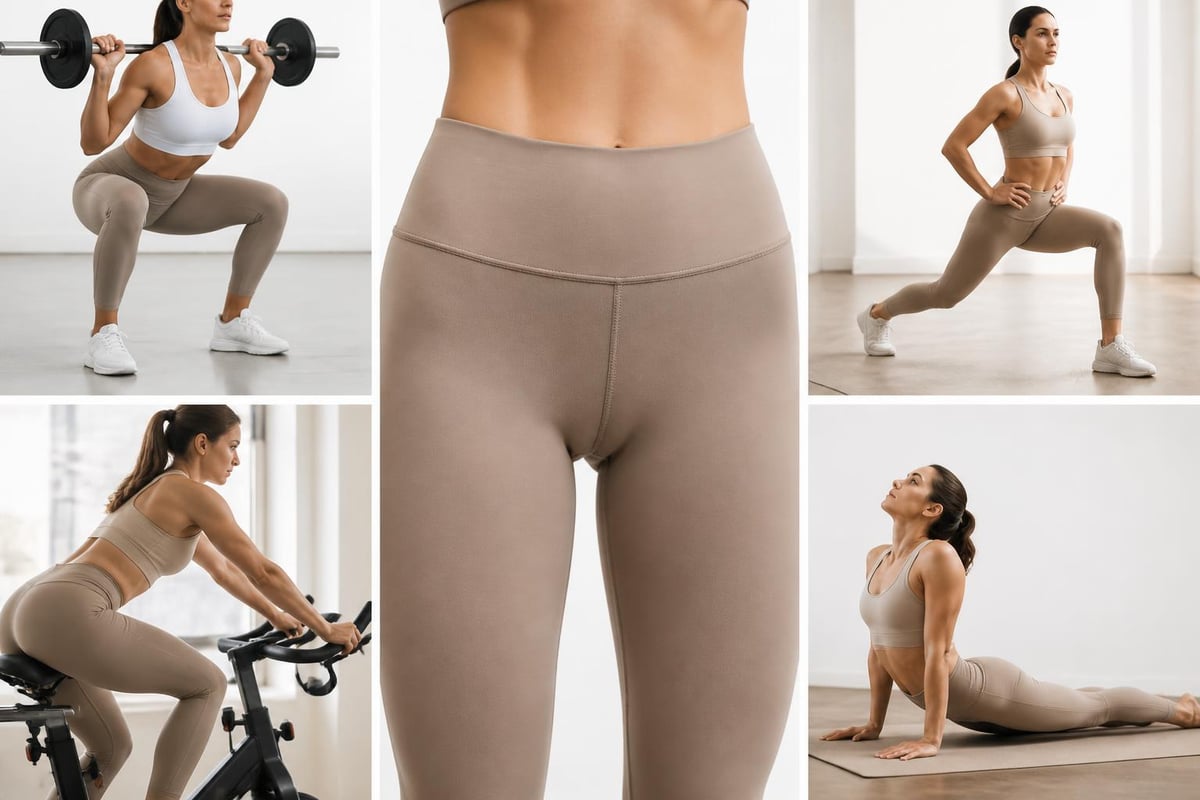
Movement patterns during exercise significantly impact fabric behavior. Squats, lunges, cycling, and yoga poses all pull fabric taut across the pelvic area, increasing the likelihood of athletic camel toe. The constant motion combined with perspiration can cause fabric to shift, bunch, or cling in ways that wouldn't happen during regular daily activities.
Why Athletic Wear Is More Susceptible
Several factors make workout clothing particularly prone to this issue:
- Compression fabrics designed to support muscles also create tight contact with the body
- Moisture-wicking materials can cling when wet, emphasizing body contours
- Minimal seam construction sometimes lacks the structure needed to prevent fabric from settling into creases
- High-stretch materials that move with the body may over-conform to anatomical features
- Performance-focused designs prioritize movement range over modesty considerations
The anatomical and clothing-related factors contributing to camel toe become more pronounced during athletic activities because of the dynamic nature of exercise movements.
Fabric Selection for Athletic Activities
Choosing the right fabric technology makes an enormous difference in preventing athletic camel toe during workouts. Not all performance fabrics are created equal, and understanding material properties helps you make informed purchasing decisions.
Performance Fabric Characteristics
| Fabric Type | Athletic Camel Toe Risk | Best Uses | Prevention Features |
|---|---|---|---|
| Thick compression blends | Low | Strength training, CrossFit | Dense weave, shape retention |
| Thin moisture-wicking | High | Running, hot yoga | Lightweight but can cling |
| Textured/ribbed fabrics | Low | General fitness, cycling | Pattern disrupts smoothness |
| Double-layered gussets | Very Low | All activities | Reinforced crotch area |
| Seamless knits | Medium | Yoga, Pilates | Depends on thickness |
Fabric weight matters tremendously for athletic wear. Materials measuring at least 200-250 GSM (grams per square meter) provide sufficient coverage and structure to minimize visible creasing. Thinner fabrics under 150 GSM often lack the substance needed to prevent athletic camel toe, especially when stretched across curved surfaces during movement.
The construction quality also plays a crucial role. Design elements of leggings that can lead to camel toe include center seam placement, gusset design, and overall pattern cutting. Leggings with a diamond or triangular gusset insert distribute fabric tension more evenly than those with a simple center seam running through the crotch area.
Color and Pattern Considerations
Dark colors and busy patterns naturally camouflage any minor fabric settling that might occur during intense workouts. Solid light colors, particularly whites, grays, and pastels, tend to highlight every contour and shadow, making athletic camel toe more visible even when minimal.
- Optimal choices: Black, navy, dark purple, charcoal, forest green
- Patterns that help: Color blocking, geometric prints, gradients, textured finishes
- Colors to avoid: White, light gray, beige, pale pink, baby blue
Strategic Undergarment Solutions
The foundation layer you choose dramatically affects how your athletic wear performs during workouts. Many women don't realize that specialized undergarments designed to prevent camel toe serve as the first line of defense against this common issue.
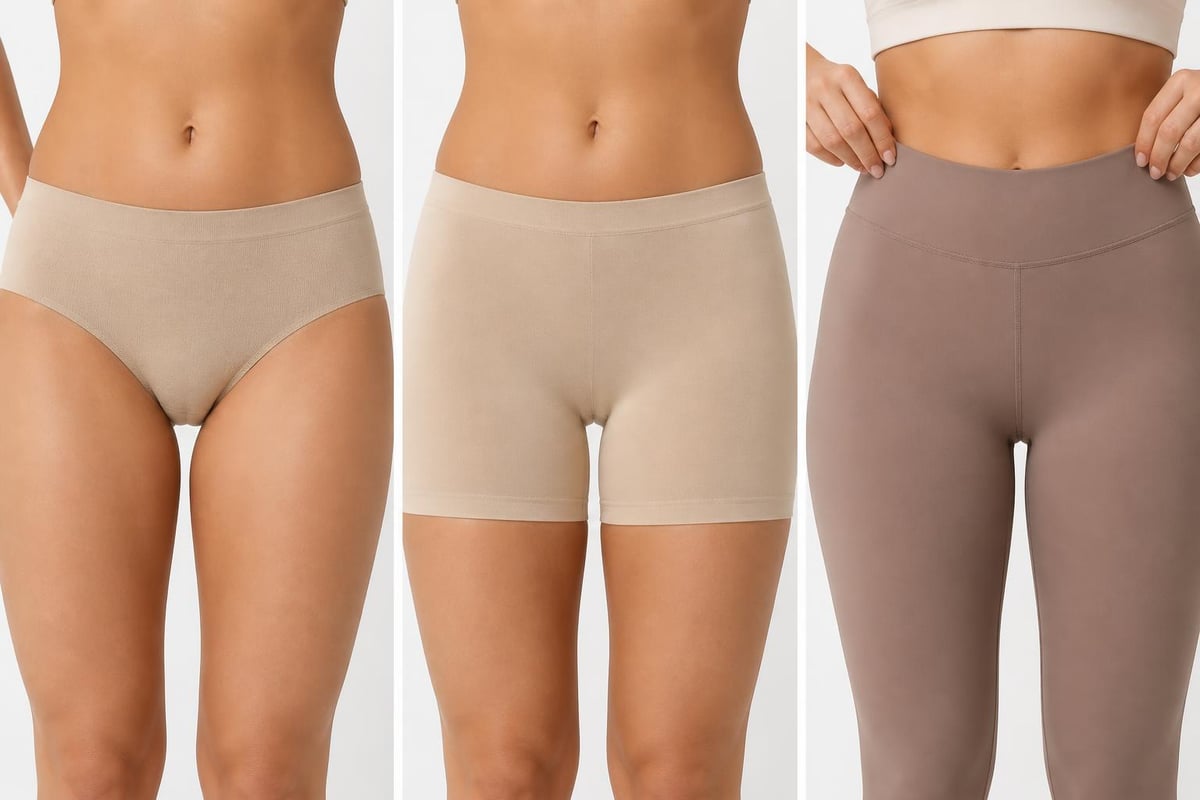
Seamless construction eliminates bulk and visible lines while providing a smooth base layer under compression leggings and fitted shorts. Traditional underwear with thick elastic bands, raised seams, or bunching fabric actually contributes to the problem by creating additional layers and pressure points.
Undergarment Style Comparison
Different undergarment styles offer varying levels of protection against athletic camel toe:
- Seamless thongs minimize fabric in the crotch area while staying in place during movement
- Low-rise hipsters with flat seams provide coverage without riding up during squats and lunges
- Boyshorts offer full coverage but can sometimes bunch under tight leggings
- Specialized anti-camel toe underwear features reinforced gussets and strategic paneling
- Commando options work for some women with properly designed activewear featuring built-in liners
Research into best underwear to prevent camel toe consistently shows that seamless construction and moisture-wicking fabrics perform better than cotton or lace options during athletic activities.
Proper Fit and Sizing Guidelines
One of the most overlooked causes of athletic camel toe is simply wearing the wrong size. Many women size down in activewear, believing tighter clothing provides better compression and support, but this approach often backfires by creating excessive fabric tension.
How to Determine Correct Activewear Size
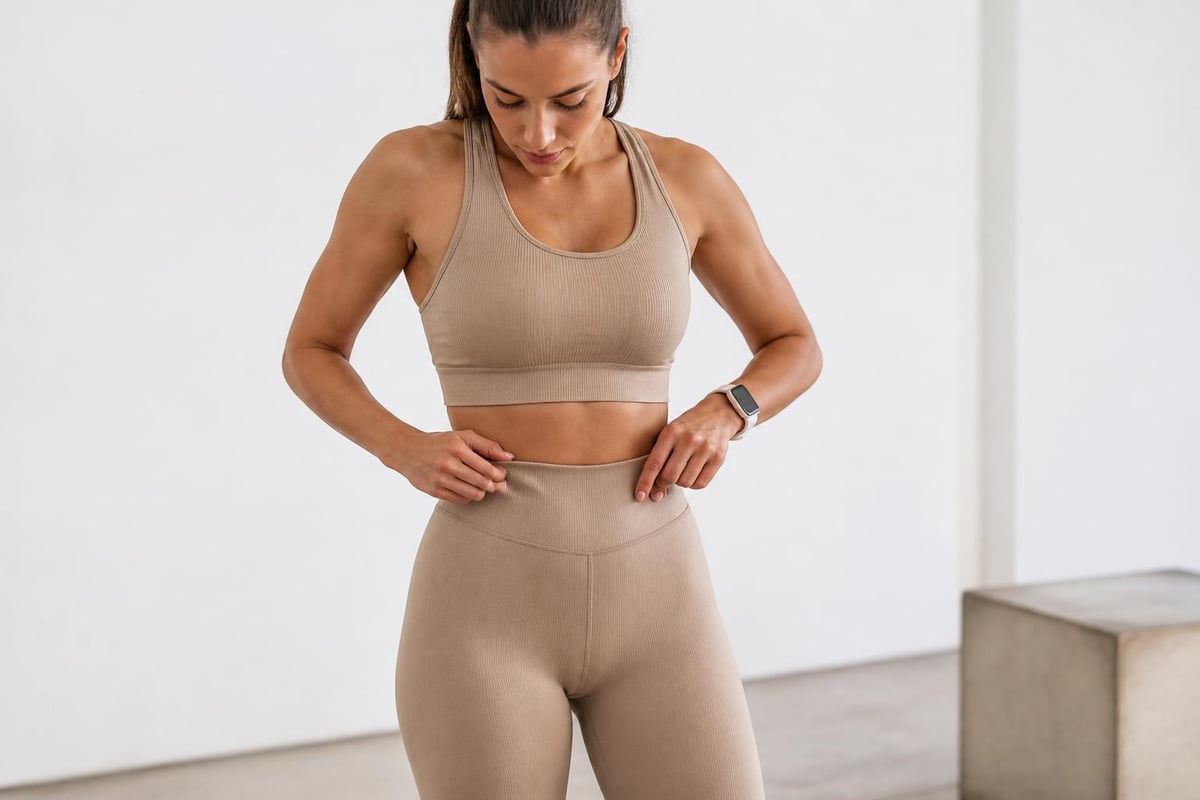
Your leggings should feel snug but never restrictive. When you pull them on, the fabric should glide smoothly over your skin without requiring excessive tugging or stretching. Once on, you should be able to move freely through a full range of motion without the waistband rolling down or the fabric becoming see-through when stretched.
Test your fit with these movements:
- Deep squat test: Fabric should stay opaque and in place without shifting
- Lunge test: No excessive pulling or fabric migration toward the center
- Jump test: Waistband stays put without sliding down
- Bend-over test: Back rise provides adequate coverage without gaping
Size charts vary significantly between brands, so always measure yourself and compare your measurements to the manufacturer's specific guidelines rather than assuming your usual size will work across all brands.
Rise Height Considerations
The rise (the measurement from crotch to waistband) significantly impacts how fabric sits in the pelvic area:
| Rise Type | Effect on Athletic Camel Toe | Best For | Potential Issues |
|---|---|---|---|
| High-rise (10-12 inches) | Lower risk | Core workouts, cycling | Can roll down if too tight |
| Mid-rise (8-10 inches) | Medium risk | General fitness | May shift during movement |
| Low-rise (under 8 inches) | Higher risk | Casual wear, light activity | Less fabric distribution |
Higher-rise styles generally distribute fabric tension across a larger surface area, reducing the concentration of pressure in the crotch region that leads to athletic camel toe.
Activewear Design Features That Help
Beyond basic fit and fabric, specific design elements actively prevent athletic camel toe through engineering and construction techniques. Understanding these features helps you identify superior activewear that will perform reliably during your toughest workouts.
Gusset construction represents the single most important design element. A proper athletic gusset is a diamond or triangular fabric insert sewn into the crotch area that eliminates the center seam running between the legs. This construction method distributes stress across four seam lines instead of one, preventing fabric from settling into a visible crease.
Key Design Elements
Professional activewear incorporates several specialized features:
- Flat-lock seaming reduces bulk and pressure points throughout the garment
- Strategically placed panels use fabric geometry to direct tension away from problem areas
- Reinforced crotch linings add extra layers specifically where needed
- Contoured waistbands that curve to match body shape prevent front-to-back pulling
- Silicone grippers at the hem and waist keep fabric positioned correctly
The prevention strategies effective across various outfits emphasize that construction quality matters more than price point when it comes to preventing wardrobe malfunctions.
Brand-Specific Technologies
Many activewear companies have developed proprietary solutions:
- Diamond gussets that create four-way stretch distribution
- Flattering front panels with vertical seaming that draws the eye upward
- Laser-cut edges that eliminate traditional seams entirely
- Bonded construction using heat-activated adhesives instead of stitching
- Anatomically mapped compression that varies pressure by body zone
Quick Fixes and Emergency Solutions
Even with the best preparation, you might occasionally experience athletic camel toe during a workout. Having strategies to address the issue discreetly allows you to continue exercising without interrupting your routine or leaving the gym.
The tugging technique provides immediate relief. Subtly pull the fabric away from your body at the waistband, allowing air to break the suction between fabric and skin. This works particularly well after you've been sweating and moisture has caused fabric to cling.
Gym Bag Essentials for Prevention
Keep these items in your athletic bag for quick adjustments:
- Panty liners or thin pads that add a subtle barrier layer
- Baby powder or anti-chafe balm to reduce friction and moisture
- Safety pins for temporary seam adjustments (use carefully)
- An extra pair of seamless underwear for mid-workout changes
- Longer length tunic top or hoodie to tie around waist if needed
Understanding effective strategies to prevent camel toe includes both proactive measures and reactive solutions for when prevention doesn't work perfectly.
Sport-Specific Considerations
Different athletic activities create unique challenges and require tailored approaches to preventing athletic camel toe. What works perfectly for yoga might not suit cycling or running, making it important to match your activewear solutions to your specific fitness activities.
High-Impact Activities
Running, jumping, and plyometric exercises create constant movement and fabric shift. For these activities:
Compression-focused designs with maximum support help keep everything in place during repetitive impact. Look for activewear specifically marketed for running or HIIT training, as these typically feature reinforced construction and stay-put waistbands.
The continuous bouncing motion during high-impact exercise can cause fabric to migrate and settle into creases, making athletic camel toe more likely as your workout progresses. Moisture management becomes critical, as sweat-soaked fabric loses its shape retention properties.
Low-Impact and Flexibility Work
Yoga, Pilates, and stretching require different considerations than cardio activities. Strategies to prevent camel toe in gymnastics apparel apply equally well to yoga and similar disciplines where you're holding positions and moving slowly through ranges of motion.
For flexibility-focused activities:
- Choose fabrics with four-way stretch that returns to shape quickly
- Prioritize thicker materials that won't become see-through when stretched
- Consider seamless construction that won't dig in during floor work
- Test garments in various poses before purchasing
Cycling-Specific Solutions
Cycling creates sustained pressure on the crotch area combined with repetitive leg motion, making athletic camel toe particularly likely. Padded cycling shorts with reinforced gussets address both comfort and appearance concerns. The chamois padding typical in cycling shorts distributes pressure and creates a smooth surface under outer layers.
The Role of Proper Activewear Care
How you care for your athletic wear directly impacts its ability to prevent athletic camel toe over time. Even the best-designed garments will lose their effectiveness if not maintained properly.
Fabric degradation happens gradually through washing and wear. Elastic fibers break down from heat exposure, harsh detergents strip protective coatings from performance fabrics, and rough handling stretches materials beyond their recovery point.
Washing Best Practices
| Do | Don't | Why It Matters |
|---|---|---|
| Wash in cold water | Use hot water | Preserves elastic integrity |
| Air dry or low heat | High heat drying | Prevents fiber breakdown |
| Use gentle detergent | Fabric softener | Maintains moisture-wicking properties |
| Turn inside out | Overload washer | Protects exterior finish |
| Wash after each use | Let sweat dry in | Prevents bacterial growth and odor |
Research shows that properly cared for activewear maintains its shape and compression properties for 50-100 washes, while improperly maintained garments may lose effectiveness after just 20-30 cycles.
When to Replace Athletic Wear
Even with excellent care, activewear eventually wears out. Signs you need new workout bottoms include:
- Fabric becomes see-through when stretched, even slightly
- Elastic waistband no longer snaps back to original size
- Seams show wear, fraying, or separation
- Fabric develops permanent wrinkles or creases
- Material feels thinner or loses its substantial feel
Continuing to wear degraded activewear increases your risk of experiencing athletic camel toe because the fabric no longer has the structure and recovery properties it had when new.
Building a Camel Toe-Free Athletic Wardrobe
Creating a collection of reliable workout bottoms requires strategic shopping and understanding what works for your specific body type and preferred activities. Rather than buying numerous cheap options, investing in fewer high-quality pieces from brands like Ambar Wear's activewear collection provides better long-term results.
Start with versatile basics in proven styles. Once you find leggings or shorts that work perfectly for your body, buy them in multiple colors. This approach eliminates the guessing game and ensures you always have reliable options for any workout.
Wardrobe Building Strategy
Build your athletic wardrobe systematically:
- Foundation layer: 2-3 pairs of seamless underwear specifically for workouts
- Core leggings: 3-4 pairs of high-quality, anti-camel toe leggings in dark colors
- Activity-specific bottoms: 1-2 pairs tailored to your main sport (cycling shorts, running tights, etc.)
- Backup options: 2 pairs of capris or shorts for variety and seasonal needs
- Specialty items: 1-2 pieces for specific situations (hot yoga, outdoor winter running, etc.)
This approach gives you approximately 8-11 total bottom pieces, providing enough variety for regular workouts without overwhelming your closet or budget.
Shopping Tips and Evaluation
When shopping for new athletic wear, evaluate each piece systematically:
- Check the gusset: Look for diamond or triangular inserts rather than straight seams
- Feel the fabric weight: Thicker, substantial materials perform better
- Test the stretch: Pull fabric taut and observe how it recovers
- Examine seam construction: Flat, well-finished seams indicate quality
- Read reviews: Focus on comments about fit, durability, and camel toe issues
Online reviews mentioning athletic camel toe can be particularly helpful, as other customers often provide candid feedback about how garments perform during actual workouts. Understanding why individuals experience camel toe helps you evaluate whether specific products address the root causes.
Body Positivity and Confidence During Workouts
While preventing athletic camel toe through smart clothing choices matters for comfort and confidence, it's equally important to maintain perspective about normal body contours and natural anatomy. The fitness industry sometimes promotes unrealistic standards that can make women overly self-conscious about completely normal aspects of the human body.
Your primary focus during workouts should be your health, strength, and fitness goals rather than constant worry about how your clothing looks. That said, feeling comfortable and confident in your activewear directly impacts your willingness to try new exercises, attend group fitness classes, and push yourself during training.
Finding activewear that works for your body creates mental space to focus on what really matters: your form, your breathing, your progression, and your enjoyment of movement. When you're not distracted by wardrobe concerns, you can fully engage with your workout and connect with your body's capabilities.
Practical Confidence Builders
Beyond choosing the right clothing, these strategies help build genuine workout confidence:
- Focus on how your body feels and performs rather than how it looks
- Choose gyms and classes with positive, inclusive atmospheres
- Remember that most people are focused on their own workouts, not watching others
- Celebrate strength, flexibility, and endurance gains as primary metrics of success
- Surround yourself with supportive workout partners who lift you up
The goal isn't perfection or eliminating every natural body contour, but rather finding solutions that allow you to move freely and confidently through your chosen activities.
Athletic camel toe doesn't have to be an inevitable part of your fitness journey. With the right combination of properly fitted activewear, strategic undergarment choices, and quality fabric selection, you can exercise confidently in any setting. Understanding the causes and implementing the prevention strategies covered here empowers you to focus on your fitness goals rather than wardrobe concerns. Ambar Wear specializes in seamless, comfortable undergarments and activewear specifically designed to eliminate common issues like camel toe, sweat patches, and panty lines, offering women solutions that provide both performance and confidence for every workout and everyday wear.